High density polyethylene applications and selection factors for plastic products
a[data-rs-seo-link]{text-decoration:underline!important;color:#1a56db!important;cursor:pointer!important;}a[data-rs-seo-link]{text-decoration:underline!important;color:#1a56db!important;cursor:pointer!important;}
Why high density polyethylene is used so widely
High density polyethylene, usually shortened to HDPE, is a semi-crystalline thermoplastic made from ethylene. Its value is practical: it offers a useful balance of toughness, low weight, moisture resistance, chemical resistance, processability, and cost. In common technical references, HDPE is typically described as polyethylene with a density around 0.941 to 0.965 g/cm³, although actual product data depends on the grade, molecular weight, additives, and processing method.
For product planning, the key point is that HDPE is not a single, interchangeable material. A blow-molding resin for detergent bottles, a pressure pipe compound, a geomembrane sheet, and an injection-molding grade may all be called HDPE, but they are engineered for different melt flow, crack resistance, impact behavior, and regulatory needs. Successful HDPE selection means matching the grade to the load, temperature, chemical exposure, outdoor conditions, manufacturing process, and end-of-life requirements.
Core properties that shape HDPE applications
HDPE has relatively linear polymer chains with limited branching compared with low density polyethylene. This structure allows the chains to pack more closely, giving HDPE higher density, stiffness, and tensile performance than LDPE while retaining the low moisture absorption and processing flexibility associated with polyethylene materials.
In practical product design, HDPE is often selected because it offers:
- Good chemical resistance: HDPE resists many acids, bases, alcohols, and water-based chemicals, which is why it is common in containers, tanks, pipe, and liners.
- Low water absorption: The material performs well in wet environments and does not swell like many moisture-sensitive plastics.
- High impact toughness for its weight: Many grades retain useful toughness during handling, shipping, and outdoor service.
- Process versatility: HDPE can be blow molded, injection molded, extruded, rotationally molded, thermoformed, welded, and machined.
- Recyclability in established streams: HDPE is identified by resin identification code 2, but that code identifies resin type and does not guarantee acceptance by every local recycling system.
The same property profile also creates design limits. HDPE has lower stiffness than many engineering plastics and metals, expands more with temperature changes, can creep under long-term load, and may degrade under ultraviolet exposure unless stabilized. It is also difficult to paint or bond without surface treatment because polyethylene has low surface energy.
Major product applications for HDPE
HDPE is used across many industries because it can be modified for rigid, semi-rigid, hollow, sheet, pipe, and film-like products. The following application groups show why the grade and processing route matter as much as the polymer name.
Packaging and containers
One of the most familiar uses of HDPE is rigid packaging. Milk jugs, water and juice containers, household chemical bottles, detergent containers, caps, closures, and personal care packaging often use HDPE because it is light, tough, moisture resistant, and suitable for high-volume blow molding or injection molding.
Packaging also shows the difference between general HDPE and application-specific HDPE. Bottles for surfactants or aggressive household chemicals may need high environmental stress crack resistance. Food-contact packaging requires resin and additive systems that comply with the relevant regulations in the target market. Natural HDPE can be useful where translucency is acceptable, while pigmented HDPE improves appearance and can help protect contents from light.
Pressure pipe, conduit, and fluid handling
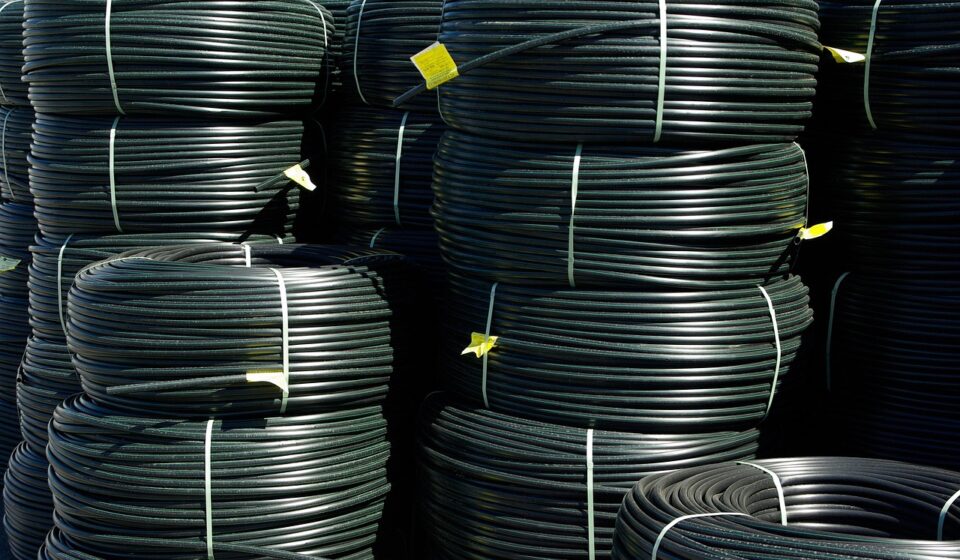
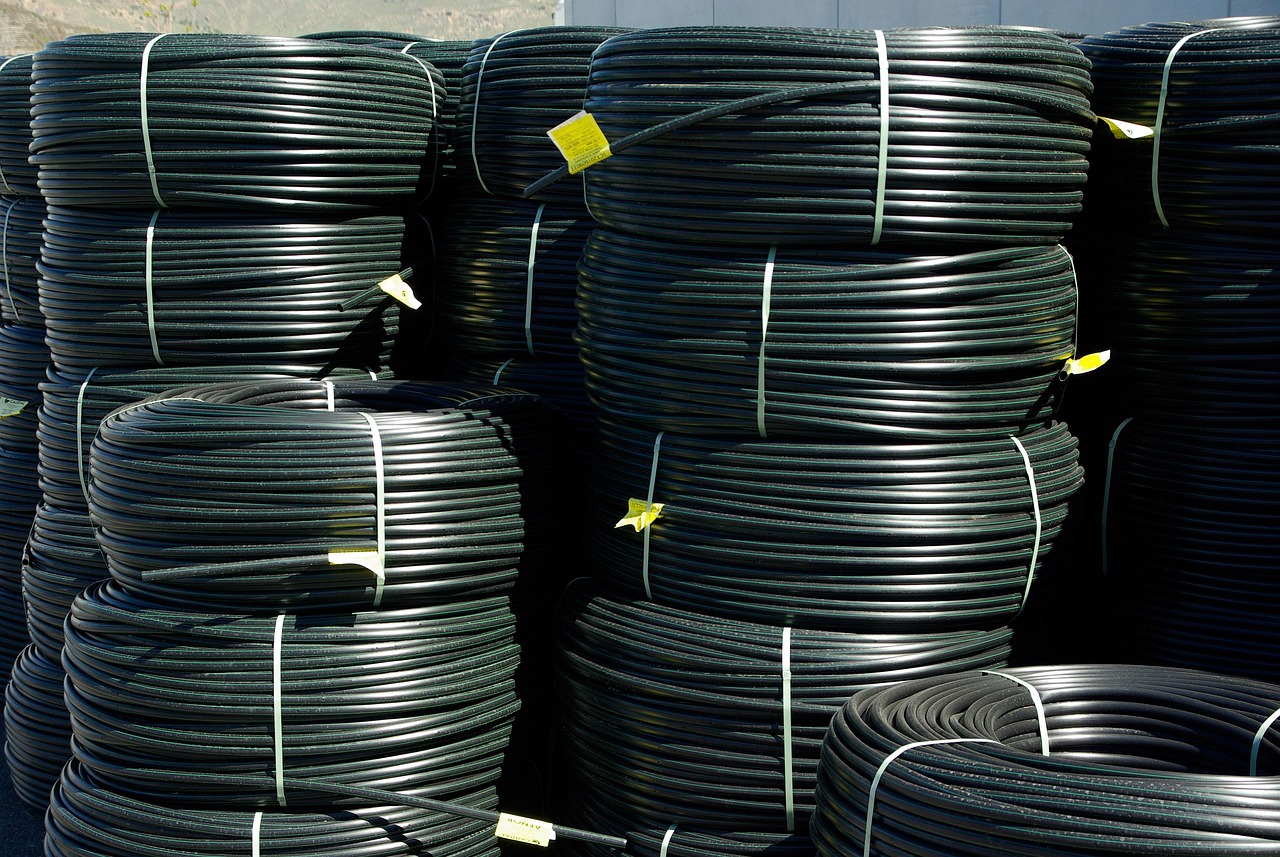
HDPE pipe is used for water distribution, gas distribution, drainage, industrial fluids, mining slurry, and electrical or communications conduit. In pipe applications, designers cannot rely on the general phrase “HDPE plastic.” They need to evaluate compound classification, pressure rating, long-term hydrostatic strength, slow crack growth resistance, joining method, installation conditions, and applicable standards.
ASTM D3350 is commonly referenced for polyethylene pipe and fitting materials because it classifies compounds using properties such as density, melt index, flexural modulus, tensile strength at yield, slow crack growth resistance, and hydrostatic design basis classification. This is a useful reminder that pipe-grade HDPE is selected by performance cell classification, not by density alone.
Sheets, boards, and machined parts
Extruded HDPE sheet and board are used for cutting boards, chute liners, wear strips, fabricated tanks, marine board, wall panels, playground components, and general industrial surfaces. Sheet-grade HDPE is valued for impact resistance, cleanability, low moisture absorption, and ease of fabrication by cutting, routing, welding, and thermoforming.
However, HDPE sheet is not the right answer for every structural part. It can deflect under load, move with temperature changes, and lose stiffness at elevated temperatures. For sliding or abrasion-intensive parts, ultra-high molecular weight polyethylene may outperform standard HDPE. For higher heat resistance or stiffness, polypropylene, acetal, nylon, or reinforced engineering plastics may be more suitable depending on the environment.
Geomembranes and containment liners
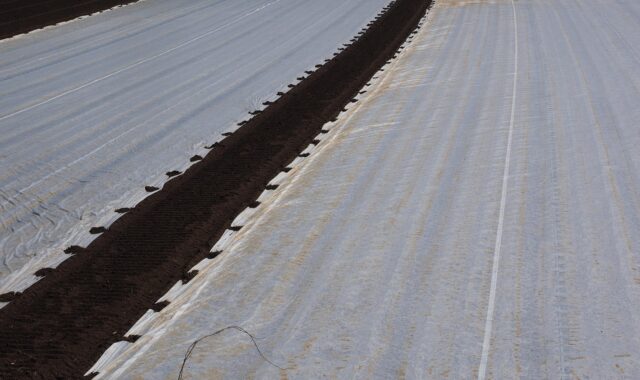
HDPE geomembranes are widely used in landfill liners, wastewater ponds, mining containment, canals, aquaculture ponds, secondary containment, and environmental protection systems. The material is attractive because it combines chemical resistance, low permeability, weldability, and large-sheet installation capability.
Containment applications require more than a material name. Thickness, surface texture, carbon black dispersion, oxidative resistance, seam welding quality, puncture resistance, subgrade preparation, and quality assurance testing all affect field performance. A sound HDPE liner specification normally addresses installation and inspection as carefully as it addresses resin properties.
Industrial products and reusable goods
HDPE is also used in crates, pallets, bins, drums, toys, housewares, traffic barriers, tanks, dock floats, plastic lumber, and rotationally molded parts. Rotational molding grades often have different melt flow and impact requirements than injection molding grades. Plastic lumber and other outdoor parts often need UV stabilization and may use recycled content, but recycled-content applications must account for color, contamination, mechanical variability, and long-term durability.
How HDPE compares with other common plastics
Material substitution is one of the most common reasons buyers search for high density polyethylene. HDPE is often compared with LDPE, polypropylene, PVC, PET, and UHMW polyethylene. Each comparison depends on grade and application, but the following table summarizes typical decision points.
| Material | Typical advantage | Common limitation | When HDPE may be preferred |
|---|---|---|---|
| LDPE | More flexible and softer | Lower stiffness and strength | When a more rigid container, sheet, or part is needed |
| PP | Higher heat resistance and good fatigue behavior | Can be more brittle at low temperature | When impact toughness and chemical container use are priorities |
| PVC | Rigid grades are stiff and widely used in pipe and profiles | Different additive and end-of-life considerations | When low weight, weldability, and polyolefin chemistry are desired |
| PET | Clear, strong, and common in beverage packaging | Less suited to some chemical container uses | When opacity, toughness, and chemical resistance matter more than clarity |
| UHMWPE | Excellent abrasion and wear performance | More difficult to process and usually higher cost | When standard toughness and easier fabrication are sufficient |
The comparison should not stop at the resin family. A high molecular weight HDPE grade can behave very differently from a high melt flow injection grade. Final product design, wall thickness, processing conditions, and additives can all shift real-world performance.
Selection factors before specifying HDPE
HDPE is easy to describe but not always easy to specify. A practical selection process starts with the service environment and then works back to grade selection, processing, and validation.
Mechanical load and creep
HDPE can handle impact and repeated handling well, but it is viscoelastic. Under sustained stress, it can creep over time. Tanks, shelves, pipe, pallets, and load-bearing fabricated parts should be evaluated for long-term deformation, not only short-term strength. Wall thickness, rib design, support spacing, and operating temperature all matter.
Temperature range
HDPE has a melting point around the low 130°C range in many references, but that does not mean it should be used near that temperature in service. Stiffness and load capacity decline as temperature rises. Cold-temperature impact performance can be good for many grades, but brittle behavior is still possible if the grade, notch design, and service conditions are unfavorable. See also: Buying Guides.
Chemical exposure
HDPE is broadly resistant to many common chemicals, but compatibility must be checked for the exact chemical, concentration, temperature, stress level, and exposure duration. Strong oxidizers, some hydrocarbons, and certain solvents may be unsuitable. Stress cracking can occur when chemical exposure and mechanical stress act together.
Outdoor exposure
Unstabilized HDPE can degrade under ultraviolet light. Outdoor grades commonly use carbon black or other UV stabilizers. For long-term outdoor products such as pipe, liners, marine board, and plastic lumber, weathering performance should be part of the specification rather than an afterthought.
Regulatory and cleanliness requirements
Food-contact, potable water, medical, and pharmaceutical-related uses require grade-specific compliance review. It is not enough to say that HDPE is generally used in food packaging. The exact resin, additives, colorants, regrind policy, and processing environment must match the intended regulation and application.
Processing methods and grade differences
HDPE can be processed in several ways, but each process favors different melt flow and molecular weight characteristics. Blow molding typically needs melt strength for parison control. Injection molding favors flow into the mold and dimensional repeatability. Extrusion grades need stable output and surface quality. Pipe grades prioritize long-term pressure and crack resistance. Rotational molding grades need suitable powder behavior and melt fusion.
Melt flow rate is one of the first data sheet values buyers notice, but it should not be used alone. Lower melt flow often indicates higher molecular weight and potentially better toughness or stress crack resistance, while higher melt flow may help complex injection molding. Density, tensile properties, impact data, environmental stress crack resistance, additives, and certification should be reviewed together.
Processing conditions also influence final properties. Cooling rate, orientation, weld lines, wall thickness, residual stress, and contamination can change performance. This is especially important for chemical containers, pressure components, welded sheets, and thick rotationally molded parts.
Recycling and sustainability considerations
HDPE is marked as resin identification code 2 under the resin identification system, and HDPE bottles and rigid containers are among the better-established plastic recycling streams in many markets. However, the code identifies the base resin; it does not mean that every HDPE item is automatically recyclable in every location.
Recycling outcomes depend on collection rules, sorting technology, color, labels, closures, barrier layers, fillers, flame retardants, residues, and product geometry. Public technical discussions from organizations such as NIST and packaging recyclability groups emphasize that real packages are not pure polymers only; pigments, additives, labels, and closures all affect sorting and reprocessing.
For packaging, design choices can improve recyclability. Natural or light-colored HDPE, compatible labels, removable or recyclable closures, minimal contamination, and avoidance of problematic multilayer structures can all help. For durable goods, recycled-content HDPE can be useful, but buyers should define mechanical expectations and quality controls because recycled feedstock can vary more than virgin resin.
Practical checklist for HDPE application planning
Before choosing HDPE for a new product or substituting it for another plastic, review these questions:
- What loads will the part carry, and for how long?
- Will the product face impact, vibration, abrasion, or repeated handling?
- What is the full service temperature range, including storage and transport?
- Which chemicals will contact the material, at what concentration and temperature?
- Will the product be used outdoors or exposed to UV light?
- Does the application need food-contact, potable water, pipe, or other compliance documentation?
- Which process will be used: blow molding, injection molding, extrusion, rotational molding, welding, or machining?
- Is recyclability, recycled content, or color sorting important to the product brief?
- What standards or test methods should be referenced in the specification?
For more material use cases and application-focused plastic guides, visit the Product Applications section.
Frequently asked questions
Is HDPE the same as polyethylene?
HDPE is one type of polyethylene. Polyethylene is the broader family, while HDPE refers to higher-density polyethylene grades with a more linear chain structure than LDPE. Other polyethylene types include LDPE, LLDPE, MDPE, and UHMWPE.
Is HDPE suitable for outdoor products?
HDPE can be suitable outdoors if the grade is designed for UV exposure. Outdoor pipe, geomembranes, plastic lumber, marine board, and tanks often use stabilizers such as carbon black. Unstabilized HDPE can lose properties after prolonged sunlight exposure.
Can HDPE be used with chemicals?
HDPE resists many acids, bases, alcohols, and water-based chemicals, which makes it common for chemical containers and industrial fluid handling. Compatibility still must be confirmed for the exact chemical, concentration, temperature, and stress condition.
Is HDPE recyclable?
HDPE is identified by resin code 2 and is widely recycled in some bottle and rigid container streams. Local acceptance varies, and design details such as color, labels, additives, residues, and multilayer structures can affect whether an item is actually recycled.
What is the main limitation of HDPE?
The main limitations are creep under long-term load, thermal expansion, lower stiffness than many engineering materials, UV sensitivity without stabilizers, and bonding difficulty. These limits do not make HDPE unsuitable; they need to be addressed in the design and specification.