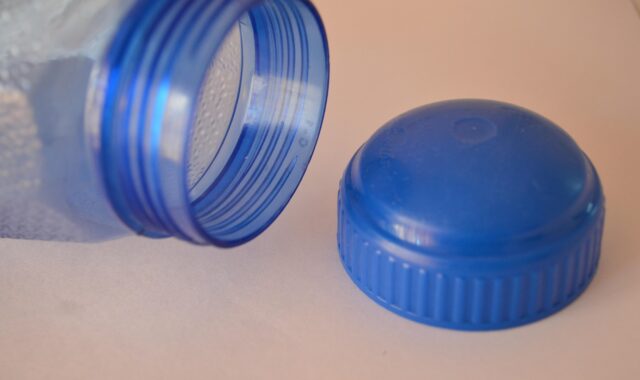
How to choose and care for plastic storage boxes for long-term use

a[data-rs-seo-link]{text-decoration:underline!important;color:#1a56db!important;cursor:pointer!important;}a[data-rs-seo-link]{text-decoration:underline!important;color:#1a56db!important;cursor:pointer!important;}
Quick answer for choosing plastic storage boxes
Plastic storage boxes work best when they are selected for the environment, not just for capacity. A clear polypropylene or similar household tote may be enough for dry indoor shelving. Garages, workshops, sheds, and damp spaces usually call for stronger lids, reinforced corners, and better sealing. If the box will be used for food, medicine, baby items, electronics, textiles, or chemicals, the label and use instructions matter more than the color, shape, or advertised volume.
A reliable routine is straightforward: choose a box designed for the load and setting, clean it with mild methods, let it dry fully before closing the lid, keep it away from heat and direct sunlight, label contents clearly, and replace boxes that are cracked, warped, stained with unknown substances, or no longer close properly. For more care-focused storage guidance, see the Care and Storage section.

Match the plastic box to the storage environment
A plastic box that performs well in a bedroom closet may fail quickly in a garage, moving truck, attic, or workshop. Start with the place where the box will sit and the conditions it must handle. Indoor closets usually need dust control and stable stacking. Basements and garages add moisture, temperature swings, pests, oils, and heavier loads. Outdoor or semi-outdoor areas add ultraviolet exposure, windblown dirt, and faster material aging.
For general household storage, rigid boxes with tight-fitting lids help protect documents, seasonal clothing, craft supplies, and small tools from dust and casual spills. In workshops or maintenance areas, thicker walls and stronger handles are often worth the extra space and cost because boxes may be dragged, lifted, or stacked with dense contents. In damp areas, a lid that overlaps the rim is useful, but it should not be treated as waterproof unless the product is specifically designed and labeled for water resistance.
Clear boxes make contents easier to identify without opening every lid. Opaque boxes may be better for items affected by light. Textiles, photographs, rubber parts, adhesives, and some craft materials can age faster when exposed to light or heat. For those items, a labeled opaque box stored in a cool, shaded location is usually more practical than a transparent tote placed near a window.
Understand material labels without overreading them
Many plastic containers show resin identification codes, often numbered 1 through 7. These codes identify the plastic type for sorting and recycling; they are not a complete safety label, quality grade, or universal recycling promise. The U.S. Environmental Protection Agency advises consumers to check local recycling programs because acceptance depends on the material, container shape, contamination level, and local sorting capacity.
For storage boxes, polypropylene, often marked as PP or number 5, is common in reusable household containers because it is relatively light, tough, and resistant to many everyday cleaning routines. High-density polyethylene, often marked HDPE or number 2, is also common in rigid household and utility products. However, the resin code alone does not tell you whether a container is microwave safe, dishwasher safe, freezer safe, food-contact suitable, or suitable for chemicals. Those claims should come from the product label or manufacturer instructions.
This distinction matters because storage use is broad. A lidded bin for holiday decorations is not the same product as a food storage container, a chemical container, or a parts organizer used near solvents. Do not assume that any clean plastic box is appropriate for food, hot liquids, pesticides, fuel, paints, medical supplies, or acids. Use the box only in ways supported by its label, especially when contents may affect health, safety, or material compatibility.
Choose features that affect daily usability
Capacity is important, but it is not the only specification worth checking. Oversized boxes invite overloading, and overloaded boxes are harder to lift safely. A smaller box is often better for books, tools, hardware, fasteners, tile samples, and dense parts. Larger boxes are more suitable for bedding, seasonal decorations, packaging materials, and lightweight sports gear.
Check the lid before the base. A lid that flexes too easily may pop open under load or sag when stacked. Latching lids improve security for items that are moved often, while simple snap lids may be enough for closet storage. If boxes will be stacked, the lid and base should interlock so the upper box sits securely instead of sliding on a flat surface.
- For frequent access: choose boxes with comfortable handles, clear walls, and lids that open without tools.
- For long-term storage: choose stronger walls, a stable stacking design, and a lid that reduces dust entry.
- For heavy contents: use smaller boxes and avoid filling them above the level where the lid closes naturally.
- For damp rooms: prioritize full drying before storage, raised shelving, and regular checks for condensation.
- For visual organization: use consistent box sizes and large labels on at least two sides.
Do not rely only on a stated volume such as quarts, liters, or gallons. Internal shape matters. Sloped walls, molded handles, wheel wells, and lid recesses reduce usable space. If the box must hold files, folded fabric, tools, or product samples, measure the internal length, width, and height before buying a full set.
Clean boxes before storage and dry them completely
Cleaning plastic storage boxes is less about aggressive chemicals and more about removing dust, residue, oils, and moisture before the lid is closed. The American Cleaning Institute advises following manufacturer instructions and avoiding abrasive methods that can scratch plastic. Scratches matter because they create rough surfaces where dirt, odor, and residue are harder to remove.
For most household storage boxes, a practical routine is to empty the box, shake out debris, wash with warm water and mild dish soap, rinse thoroughly, and air-dry with the lid off. Pay attention to corners, handle recesses, wheel channels, and the rim where the lid sits. If the box has a gasket, groove, or latch mechanism, clean and dry those areas carefully because trapped moisture can cause musty odors.
- Remove loose dirt with a soft cloth or brush.
- Wash with mild soap and warm water rather than harsh solvents.
- Use a non-abrasive sponge to reduce scratching.
- Rinse until no soap film remains.
- Let the box and lid dry completely before closing or stacking.
Odor control starts with drying. A box closed while damp can smell musty even if it was washed well. For persistent household odors, airing the box in a shaded, ventilated area is usually safer than using strong fragrances, bleach mixtures, or solvent cleaners. Avoid mixing cleaning chemicals, and do not use products that the container label warns against.
Use food storage boxes with extra care
Food storage requires a higher standard than general storage. NSF consumer guidance recommends washing food storage containers thoroughly between uses and following the product instructions for cleaning. It also warns against putting a container in a dishwasher unless it is specifically marked dishwasher safe. Heat, detergent intensity, and rack placement can deform some plastics or shorten the life of lids and seals.
The same caution applies to microwaving. FDA consumer guidance on microwave ovens notes that some plastic containers should not be used in a microwave because heat from the food can melt them. In practical terms, a food box should only be used for reheating if it is clearly labeled microwave safe and used according to the instructions. A container that is safe for cold leftovers is not automatically safe for hot soup, oily sauces, or repeated microwave cycles. See also: Buying Guides.
Food stains are not always a sign that the box is unsafe, but they can indicate that oils and pigments have entered the surface. Tomato sauce, curry, chili oil, and other strongly colored foods often stain plastic more than dry or low-fat foods. To reduce staining, let hot food cool as food safety guidance allows, avoid reheating oily sauces in plastic unless the container is designed for that use, and wash soon after emptying.
Replace food containers when they develop deep scratches, persistent odors, cracks, warped lids, or surfaces that no longer clean well. For food-contact use, uncertainty should lead to retirement from food service. A retired food box may still be useful for non-food items if it is clean, dry, and structurally sound.
Store, stack, and label boxes to reduce damage
Good storage practice protects both the contents and the box. Plastic can deform when overloaded, especially if weight is concentrated on the lid or on a small contact point. Heavy boxes should sit at the bottom of a stack, but stacking height should remain conservative. If a lid bows, a side wall bulges, or a lower box becomes hard to open, the stack is too heavy or too high.
Temperature also matters. Avoid placing boxes next to heaters, hot pipes, sunny windows, vehicle trunks in summer, or attic areas that experience high heat. Direct sunlight can fade contents and may contribute to plastic aging over time. Cold conditions can make some plastics more brittle, so boxes stored in unheated spaces should be handled gently, especially when full.
| Storage situation | Main risk | Practical care step |
|---|---|---|
| Basement or laundry area | Moisture and musty odor | Use shelving, dry boxes fully, and inspect seasonally |
| Garage or workshop | Heavy loads, dust, oils, and impact | Choose thicker boxes and keep chemicals in approved containers |
| Closet storage | Overpacking and forgotten contents | Use labels and avoid crushing soft goods |
| Attic storage | Heat and material aging | Avoid heat-sensitive items and inspect lids before lifting |
| Food storage | Heat, staining, and sanitation | Follow food-contact, dishwasher, and microwave labels |
Labeling is a care practice, not just an organization habit. A clear label reduces unnecessary opening, digging, and repacking. Include the category, date packed, and any caution such as “fragile,” “keep upright,” “winter clothing,” or “do not stack heavy.” For long-term storage, labels on two sides help because boxes are often rotated or pushed against walls.
Know when to repair, reuse, recycle, or replace
A plastic storage box does not need to look new to remain useful, but certain defects change how it should be used. Light scuffs are usually cosmetic. Broken hinges, cracked corners, sharp edges, warped lids, stress whitening, and missing latches are functional problems. If the box can no longer close, stack, or be lifted safely, it should be replaced or downgraded to a lighter-duty role.
Reuse is often the most practical option when the box is still clean and strong. A retired closet box can hold garage rags, planting supplies, or dry craft materials. However, boxes that previously held chemicals, pesticides, fuel, oily waste, or unknown residues should not be reused for food, clothing, toys, or personal items. Dedicated chemical containers should follow their original disposal instructions and local waste rules.
Recycling depends on local acceptance. The resin code may help identify the material, but it does not guarantee curbside recycling. Large storage totes may be rejected even when the same resin type is accepted in bottle form. Before placing a broken tote in recycling, check local instructions for bulky rigid plastics, remove non-plastic parts if required, and make sure the box is empty and reasonably clean.
Frequently asked questions
Are plastic storage boxes waterproof?
Most household plastic storage boxes are water resistant, not fully waterproof. They can protect against dust and minor splashes, but lids may leak if submerged, exposed to wind-driven rain, or stored under standing water. Use boxes specifically labeled as waterproof when water exposure is expected.
Can plastic storage boxes be used in a garage?
Yes, but choose stronger boxes for garage use. Garages often expose boxes to heavier items, dust, oils, pests, and temperature changes. Keep boxes off damp floors, avoid storing them in direct sunlight, and do not use ordinary storage totes for fuels, solvents, or hazardous chemicals.
Should plastic storage boxes be washed in a dishwasher?
Only wash a box or lid in a dishwasher if it is marked dishwasher safe. Otherwise, hand wash with mild soap and warm water, rinse well, and dry fully before storage. High heat can warp some lids and reduce the quality of the seal.
What is the best way to stop plastic boxes from smelling musty?
Empty the box, wash it gently, rinse thoroughly, and let both the box and lid dry completely in a ventilated area before closing. Store it open until fully dry. If the odor remains after cleaning and airing, avoid using it for clothing, food, bedding, or absorbent materials.
When should a plastic storage box be replaced?
Replace or downgrade a box when it has cracks, sharp broken edges, a warped lid, damaged latches, persistent unknown residue, or structural weakness that affects lifting and stacking. For food use, also replace containers with deep scratches, persistent odors, or surfaces that no longer clean well.