Corrugated plastic sheets for packaging, signage, and material handling

a[data-rs-seo-link]{text-decoration:underline!important;color:#1a56db!important;cursor:pointer!important;}a[data-rs-seo-link]{text-decoration:underline!important;color:#1a56db!important;cursor:pointer!important;}
What corrugated plastic sheets are
Corrugated plastic sheets are rigid, lightweight panels made from two flat plastic skins joined by internal ribs, commonly called flutes. Most commercial sheets use polypropylene, often PP copolymer, because it provides a practical balance of toughness, chemical resistance, low moisture absorption, and processability. The hollow profile gives the panel stiffness without the weight of a solid plastic sheet. In real applications, performance depends less on the generic material name and more on thickness, flute direction, sheet weight, resin grade, additives, print treatment, recycled content, and converting quality.
The material is sold under several market names, including fluted polypropylene sheet, twin-wall PP sheet, corrugated plastic board, corriboard, and core flute sheet. In some regions, trade names are also used casually as generic terms. For technical content and purchasing documents, corrugated polypropylene sheet is the safest description unless a supplier has verified that another polymer is being used.
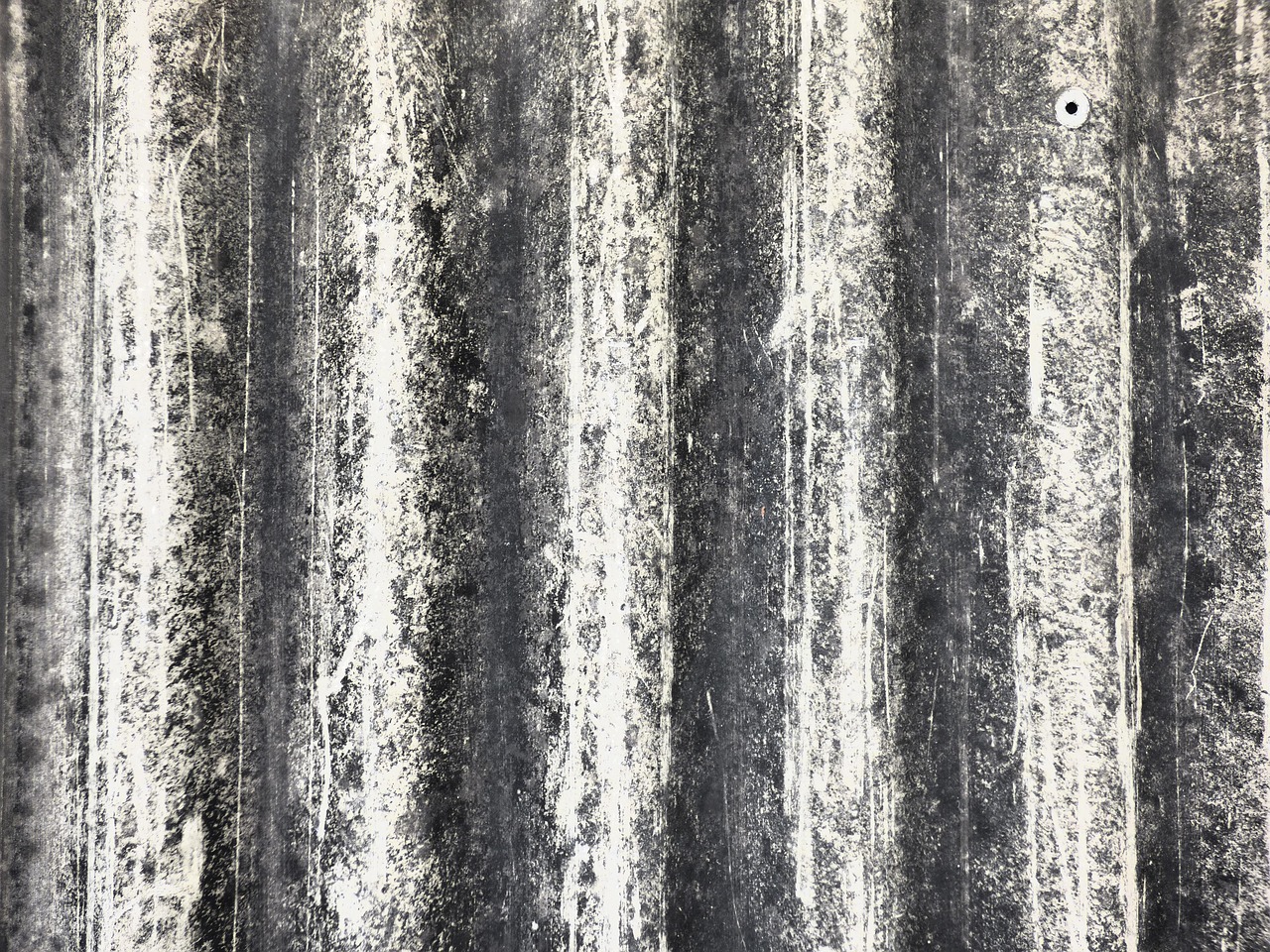
Typical uses include temporary and semi-durable signs, reusable packaging, layer pads, totes, dividers, construction protection, agricultural boards, retail displays, and handling trays. These applications have similar requirements: the sheet needs to be light enough to handle, stiff enough to span an area, resistant to moisture, and easy to cut, fold, print, weld, or fasten.
For related articles on polymer forming, converting, and material selection, see the Plastic Processing section.
How the twin-wall structure changes performance
The main advantage of corrugated plastic is its geometry. A solid sheet gains stiffness mainly by adding material. A corrugated sheet gains bending resistance by separating two skins with ribs. The principle is similar to corrugated fiberboard, while the polymer version adds water resistance and better durability in many wet or repeated-use environments.
Flute direction is important. A sheet usually bends more easily across the flutes and resists bending better along the flute direction. For signs, layer pads, and partitions, designers should align the flute direction with the expected load path. A vertical sign panel supported at the edges, for example, may need the flute direction selected to reduce bowing. In divider sets, flute direction can affect how cleanly slots interlock and how well the divider resists crushing.
Thickness is only one part of the specification. Two sheets with the same nominal thickness may perform differently if one has heavier skins, different rib spacing, a higher sheet weight, a stronger copolymer, or more recycled content. For load-bearing or repeated-use packaging, ask for both nominal thickness and grammage or basis weight. Weight per area often explains real stiffness and durability better than thickness alone.
| Design variable | What it affects | What to verify |
|---|---|---|
| Thickness | Panel stiffness, edge profile, fold behavior | Nominal thickness tolerance and measured thickness |
| Sheet weight | Impact resistance, crush resistance, cost | Grams per square meter or comparable unit |
| Flute direction | Bending resistance and folding line behavior | Orientation on the drawing or purchase order |
| Skin quality | Print appearance and surface durability | Flatness, treatment, color uniformity, contamination |
| Additives | UV stability, antistatic behavior, flame response | Documented additive package and test basis |
Material properties that make the sheets useful
Polypropylene is a polyolefin thermoplastic. For corrugated plastic sheets, this means the sheet can be extruded, slit, die-cut, scored, heat welded, and, in many cases, recycled through suitable PP streams if the material is clean and accepted locally. ASTM D7611/D7611M identifies polypropylene with resin identification code 5 and the abbreviation PP. The standard also makes an important distinction: a resin code identifies the material type; it does not guarantee that a local recycler will accept the item.
Moisture resistance is one reason corrugated PP replaces paperboard in some applications. The sheet does not absorb water like paper fiber, so it can be wiped down and reused where humidity, condensation, or washing would quickly damage fiberboard. That does not make every finished part impermeable. Open flute edges can trap liquids, dirt, or biological residue unless the edges are sealed, capped, drained, or cleaned appropriately.
Chemical resistance is another advantage, especially against many dilute acids, bases, and aqueous solutions. Polypropylene is not universally resistant, however. Strong oxidizers, some hydrocarbons, and certain solvents can damage or swell PP depending on concentration, exposure time, and temperature. Industrial users should check a chemical compatibility chart and test the actual cleaning agent or process fluid before relying on the sheet in production.
Thermal behavior also needs attention. Polypropylene has a melting point commonly cited near the mid-160 degrees Celsius range for many grades, but that figure is not a practical service-temperature limit. Stiffness drops as temperature rises, and the sheet geometry can warp under load well below the melting temperature. For warm warehouses, hot-fill handling, vehicle interiors, outdoor signs, or heat sealing, request heat deflection, Vicat softening, or supplier-specific service guidance rather than relying on a generic polymer value.
Printing, cutting, welding, and other converting steps
Corrugated plastic sheets are widely used because they convert efficiently. Straight cutting, die cutting, knife plotting, routing, punching, stapling, sewing, ultrasonic welding, hot-air welding, and mechanical fastening are all common, depending on the end use. The converting method should be matched to the flute structure, not only to the polymer.
Scoring and folding require controlled crush. A fold line that is too shallow may spring back; one that is too aggressive may crack the skin or collapse the flute. For reusable totes and boxes, prototypes should be cycled through folding, loading, stacking, and cleaning before the design is released. A sheet that looks acceptable after one fold may fail after repeated handling if the score geometry is wrong.
Printing needs special attention because untreated polypropylene has low surface energy. In practical terms, many inks and adhesives do not wet untreated PP well. Corona, flame, or plasma treatment can raise surface energy and improve adhesion. Many print-grade corrugated PP sheets are supplied with corona treatment, but treatment effectiveness can decline with time, storage conditions, surface contamination, and additives. For reliable graphics, buyers should specify treated surface requirements, print side, dyne level where applicable, ink system, and maximum storage time before printing.
Adhesive bonding can be more difficult than mechanical fastening or welding for the same reason: PP is chemically non-polar and relatively low energy. If bonding is required, use an adhesive system designed for polyolefins, confirm whether a primer or surface treatment is needed, and test after aging. For structural or repeated-use packaging, welds, rivets, snaps, stitched seams, or designed interlocks may be more dependable than generic glue.
How to choose the right sheet specification
A good specification starts with the actual use case. A temporary indoor sign, a returnable layer pad, a produce box liner, and a construction floor protector may all use corrugated plastic, but they should not be specified in the same way.
Start with loading. Will the sheet lie flat, hang vertically, bridge a gap, form a box, or separate stacked products? Static load, impact, vibration, and compression behave differently. For material handling, ask whether the sheet must support point loads, survive forklift contact, or remain flat after repeated washing.
Next, consider the environment. Indoor use is usually less demanding, while outdoor use needs UV stabilization and print durability. Unstabilized PP can chalk, fade, or become brittle after prolonged sunlight exposure. A UV additive package can improve outdoor life, but it should be specified and verified rather than assumed from the word plastic. See also: Buying Guides.
Color is not only aesthetic. Dark colors may absorb more heat outdoors, increasing the risk of warping. White sheets show dirt and print contrast differently. Natural or translucent sheets may reveal contamination or recycled-content variation more readily. If color matching matters for signage or brand packaging, define the color standard and allowable tolerance.
For food, medical, electronics, or export packaging, the specification may also need regulatory or functional controls. Examples include food-contact declarations, antistatic or conductive performance, flame-retardant grades, heavy-metal restrictions, or documentation for reusable transport packaging. These requirements should be stated in the purchase specification because they are not implied by the term corrugated plastic sheet.
Comparison with paperboard and solid plastic sheet
Corrugated plastic is often selected when paperboard is not durable enough and solid plastic sheet is heavier or more expensive than necessary. It is not automatically better than either alternative. The right choice depends on reuse cycles, load, print quality, cost, and end-of-life management.
| Material option | Strengths | Limitations | Best-fit situations |
|---|---|---|---|
| Corrugated plastic sheet | Lightweight, moisture resistant, reusable, easy to convert | Open edges, lower surface energy for printing, recycling depends on local systems | Reusable packaging, signs, dividers, protection boards |
| Corrugated paperboard | Widely available, printable, commonly recycled in many regions | Weakens with moisture and repeated handling | Dry, single-trip or short-cycle packaging |
| Solid plastic sheet | Uniform surface, higher local strength, easier edge sealing | Heavier at similar panel size and often higher material use | Machined parts, guards, heavy-duty panels, smooth display surfaces |
The practical question is lifecycle cost, not only purchase price. A corrugated plastic divider set may cost more than paperboard at first purchase, but it can be economical if it survives many trips, reduces product damage, and can be cleaned. For a dry one-way shipment with an established paper recycling path, paperboard may remain the lower-impact and lower-cost choice.
Sustainability, reuse, and end-of-life considerations
Because corrugated plastic sheets are often made from PP, they may carry a PP or 5 resin identification mark when marked according to recognized resin coding practices. That mark helps with sorting, but it should not be presented as proof of recyclability. Actual recycling depends on local collection rules, contamination level, sheet color, labels, inks, mixed materials, and whether a recycler has a market for rigid PP sheet.
Reuse is usually the strongest sustainability argument for corrugated plastic. A durable sheet used many times can reduce the number of single-use boards or cartons consumed. To make that benefit real, the system needs to support cleaning, traceability, repair, and return logistics. If sheets are lost after one trip, heavily contaminated, or laminated with incompatible materials, the theoretical advantage can disappear.
Design choices affect end of life. Single-material PP sheets are easier to route into PP recovery than sheets laminated with incompatible films, heavily coated surfaces, metal fasteners, foam tapes, or permanent labels. If labels are required, removable labels or direct printing may simplify recovery. For reusable packaging pools, standard colors and sizes can also improve sorting and asset control.
Recycled content may be available, but it should be specified carefully. Post-industrial recycled PP can work well in many non-food and non-critical applications. Post-consumer content may introduce more variation in color, odor, impact strength, or contamination unless the supply chain is well controlled. Where performance is critical, compare virgin and recycled-content sheets with the same tests rather than assuming equivalent behavior.
Inspection and testing points before purchase
For low-risk applications, visual inspection and a simple prototype may be enough. For repeat orders or industrial packaging, use a short checklist that turns broad expectations into measurable acceptance criteria.
- Confirm polymer type, sheet thickness, sheet weight, color, and flute direction.
- Check flatness, surface defects, edge crush, contamination, and dimensional tolerance.
- For printed sheets, verify surface treatment, ink adhesion, rub resistance, and curing conditions.
- For packaging, test folding, slot fit, stacking, drop impact, vibration, cleaning, and repeated handling.
- For outdoor use, confirm UV stabilization and realistic exposure expectations.
- For regulated uses, request documentation for food contact, antistatic performance, flame behavior, or restricted substances as applicable.
Common plastics test methods can help where objective data is needed. Tensile properties are often measured under ASTM D638, flexural properties under ASTM D790, and notched Izod impact under ASTM D256. These methods test material behavior under defined conditions, but they do not replace application testing of the finished flute profile, converted part, or assembled package.
Frequently asked questions
Are corrugated plastic sheets waterproof?
The polypropylene sheet itself resists water and does not absorb moisture like paperboard. However, open flute channels and converted edges can hold water, dirt, or residue. For washable or hygienic use, consider sealed edges, drainage design, or a cleaning validation step.
Can corrugated plastic sheets be printed?
Yes, but print success depends on surface treatment, ink selection, storage age, and cleanliness. Polypropylene usually needs corona, flame, plasma, primer, or a compatible ink system to achieve reliable adhesion. For important graphics, request a treated print surface and run adhesion tests before production.
Are corrugated plastic sheets recyclable?
They can be recyclable where clean rigid PP sheet is accepted, but a PP or 5 resin code does not guarantee local recycling. Check local or commercial recycling rules, and avoid incompatible laminates, permanent labels, and mixed-material attachments if recovery is a goal.
What thickness should be used?
There is no universal thickness. Thin sheets may suit temporary signs and light dividers, while heavier sheets are used for reusable packaging, layer pads, and protection boards. Specify thickness together with sheet weight, flute direction, load conditions, and expected reuse cycles.
Do corrugated plastic sheets work outdoors?
They can, provided the sheet and print system are designed for outdoor exposure. UV-stabilized grades are preferred for sunlight exposure. Outdoor signs should also be evaluated for wind load, heat buildup, fastening method, color fading, and print durability.