PLA plastic in processing, applications, and end-of-life limits

a[data-rs-seo-link]{text-decoration:underline!important;color:#1a56db!important;cursor:pointer!important;}a[data-rs-seo-link]{text-decoration:underline!important;color:#1a56db!important;cursor:pointer!important;}
What PLA plastic is and why processors use it
PLA plastic, or polylactic acid plastic, is a thermoplastic polyester made from lactic acid derived from renewable feedstocks such as corn starch, sugarcane, or other carbohydrate sources. It is used because it combines conventional melt processing with a biobased origin and, in some certified product formats, industrial compostability. For manufacturers and material specifiers, PLA should not be treated as a universal replacement for petroleum-based plastics. It is a practical option when its thermal limits, moisture sensitivity, processing window, and end-of-life route are considered at the product design stage.
In the broader field of plastic processing, PLA sits between familiar commodity plastics and more specialized biodegradable polymers. It can be extruded, thermoformed, injection molded, fiber spun, film cast, blow molded in selected grades, compounded with additives, and printed as filament. Its appeal is strongest in applications where stiffness, clarity, low processing temperature, and lower fossil-based carbon input are valuable. Its main limitations are heat resistance, brittleness in some grades, hydrolytic degradation during processing, and confusion around disposal claims.
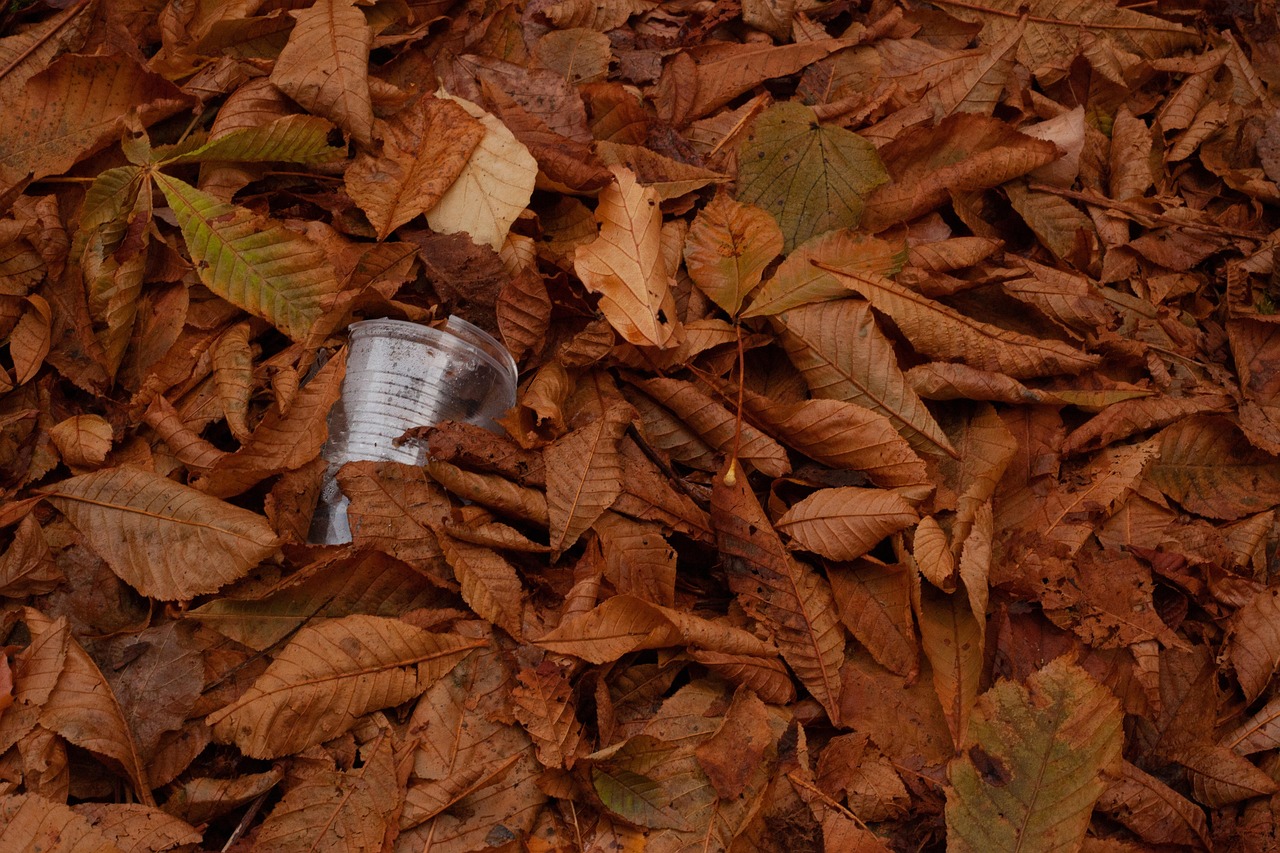
That combination makes PLA useful, but not simple. A PLA cup, a 3D printing filament, a heat-resistant thermoformed tray, and a medical-grade polymer may all be based on the same broad chemistry while behaving very differently in production and disposal. Resin grade, molecular weight, stereochemistry, crystallinity, additives, and part geometry can all change the result.
Material profile of PLA plastic
PLA is produced by polymerizing lactic acid or lactide into a polyester chain. The resulting polymer can be amorphous, semi-crystalline, or engineered toward higher crystallinity depending on the ratio of L-lactide and D-lactide units, nucleating agents, processing conditions, and post-processing. These structural choices affect clarity, heat deflection, stiffness, toughness, crystallization speed, and composting behavior.
Neat PLA is commonly valued for high stiffness, good transparency in amorphous grades, relatively low shrinkage, and compatibility with many existing processing platforms. However, unmodified PLA is not usually selected for high impact resistance, long-term hot-fill exposure, boiling-water contact, or repeated high-temperature service. For those uses, compounders often modify PLA with impact modifiers, plasticizers, chain extenders, nucleating agents, mineral fillers, natural fibers, or blends with other biodegradable polyesters.
Typical thermal behavior explains many of the design limits. PLA often has a glass transition region in the low 60°C range and a melting range that varies by grade and crystal structure. Below the glass transition, it is relatively rigid. Near and above that transition, amorphous PLA can soften and deform under load. Semi-crystalline and high-heat PLA formulations improve heat resistance, but they also require more controlled crystallization during processing.
Compared with polypropylene or polyethylene, PLA is generally stiffer but more brittle. Compared with PET, PLA can process at lower temperatures but is more sensitive to hydrolysis and has different barrier and heat-performance limits. These comparisons do not make one polymer automatically better than another; they show why the final application should define the material choice.
How PLA is processed
PLA can run on many conventional thermoplastic processing systems, but it should not be treated as a drop-in resin without attention to drying, residence time, temperature control, and contamination. Processing guides from major PLA resin producers consistently emphasize moisture management because water can break polyester chains during melt processing. This chain scission reduces molecular weight and can affect viscosity, strength, appearance, and downstream performance.
Drying and moisture control
PLA pellets are typically dried before extrusion, injection molding, or thermoforming. The exact drying time and temperature depend on the grade and supplier recommendation, but desiccant drying and low dew point air are common. Processors should also check the moisture level of color masterbatch, fillers, regrind, paper fibers, and other additives. A dry base resin can still degrade if wet additives enter the melt stream.
Moisture exposure after drying is another practical issue. PLA can absorb moisture from plant air, especially in humid environments. For critical applications, processors often use closed conveying from dryer to feed throat, sealed containers, and short open-air exposure to keep moisture below supplier targets. When defects appear, not every bubble, streak, or viscosity shift has the same cause. Moisture, contamination, overheating, incompatible colorants, and poor venting can all contribute.
Temperature and residence time
PLA usually processes at lower melt temperatures than many engineering plastics, but lower processing temperature does not remove the risk of degradation. Excessive barrel temperature, hot spots, long residence time, stagnant material in adapters or dies, and repeated heat history can reduce molecular weight. Processors working with PLA should avoid unnecessary overheating and purge equipment properly when changing from other polymers.
For sheet extrusion and thermoforming, temperature uniformity and crystallization control are especially important. Amorphous sheet can provide clarity and formability for cold-service packaging. High-heat applications may require controlled crystallization or grades designed for faster crystallization. In injection molding, mold temperature and cycle design can determine whether the part remains mostly amorphous or develops enough crystallinity for improved heat performance.
Common processing routes
- Extrusion and thermoforming: Used for trays, lids, cups, clamshells, and sheet products. Clarity, stiffness, and forming behavior are key design factors.
- Injection molding: Used for cutlery, caps, small consumer items, and technical components where stiffness and dimensional control matter.
- Film and coating: Used in flexible packaging structures, paperboard coatings, and compostable packaging formats, often with blending or coating design to improve sealability and barrier properties.
- Fiber and nonwoven processing: Used for textiles, hygiene-related substrates, filters, tea bags, and agricultural formats, depending on product requirements.
- 3D printing filament: PLA remains one of the most common materials for fused filament fabrication because it prints at moderate temperatures, has low warpage, and gives good dimensional stability for many non-load-bearing parts.
Where PLA plastic fits best
PLA is most successful when the application benefits from stiffness, clarity, processability, and a planned end-of-life pathway. It is less suitable when the main requirement is high temperature resistance, outdoor durability, repeated flexing, high impact abuse, or compatibility with established mechanical recycling streams for polyolefins or PET.
| Application area | Why PLA is considered | Main limitation to check |
|---|---|---|
| Cold-service food packaging | Clarity, stiffness, thermoformability, and potential industrial compostability | Heat exposure, local composting access, and certification requirements |
| 3D printing filament | Low warpage, easy printing, smooth surface finish, and broad availability | Heat deformation and brittleness in functional parts |
| Disposable foodservice items | Biobased content and compostability in certified formats | Performance with hot food or drinks and actual collection infrastructure |
| Fibers and nonwovens | Renewable feedstock story, stiffness, and thermal bonding options | Softness, heat behavior, and cost versus incumbent polymers |
| Compounded durable goods | Potential for biobased content with tailored properties | Impact resistance, long-term heat exposure, and recycling route |
Packaging is often the first area associated with PLA, but the best-fit packaging cases are specific. A cold beverage cup, salad container, produce tray, or clear clamshell can align well with PLA properties. A hot coffee lid, microwave tray, or part stored in a hot car may require a high-heat PLA formulation or another material entirely. The same caution applies to 3D printing. PLA is well suited to prototypes, models, jigs, visual parts, and light-duty objects, but it is not automatically the right choice for parts exposed to heat, impact, creep, or outdoor weathering.
For packaging teams, the disposal context should be discussed as early as resin selection. A compostable-certified PLA package has limited value if it is sold into a region where customers have no access to appropriate collection and industrial composting. Similarly, a PLA item designed for mechanical recycling needs a realistic stream, sorting method, and buyer for the recycled material.
Compostability and recycling are not the same thing
One of the most common misunderstandings is the assumption that biobased, biodegradable, and compostable mean the same thing. They do not. Biobased describes the source of carbon. Biodegradable describes the ability of microorganisms to break material down under certain conditions. Compostable is a more specific claim tied to defined standards, test conditions, disintegration, biodegradation, and compost quality requirements.
Industrial compostability standards such as ASTM D6400 in the United States and EN 13432 in Europe are often cited for compostable plastic packaging. These standards relate to managed composting conditions, not casual littering, marine environments, or unmanaged backyard soil. European Bioplastics and European policy documents also distinguish industrial composting from home composting because industrial facilities operate at higher and more stable temperatures than most home compost piles.
For PLA, this distinction is essential. A certified industrially compostable PLA product is designed for a controlled composting system. It should not be presented as a material that will quickly disappear in the open environment. Claims on packaging must also match local rules and accepted certification language. In some markets, regulators scrutinize vague environmental claims because consumers may interpret them as permission to litter or as proof of universal compostability. See also: Buying Guides.
Recycling is a different route. Mechanical recycling keeps polymer chains largely intact through sorting, cleaning, shredding, and remelting. It works best when a clean, concentrated stream exists. For PLA, that is easier in closed-loop settings such as manufacturing scrap, event collection, controlled foodservice systems, or filament scrap programs. It is harder in mixed municipal streams where volumes may be low and sorting systems are optimized for PET, HDPE, and other established materials.
Chemical recycling is technically relevant because PLA is a polyester that can be depolymerized through routes such as hydrolysis or alcoholysis. Recent scientific reviews describe growing work on PLA depolymerization and circular end-of-life strategies. However, the practical availability, economics, energy use, contamination tolerance, and regional scale of these systems vary. For most product decisions, mechanical recycling, industrial composting, reuse where appropriate, and waste-to-energy or landfill realities should be assessed locally rather than assumed.
Design and sourcing considerations for PLA products
Specifying PLA plastic starts with the service environment. Will the product contact hot food, oils, acidic contents, moisture, sunlight, or repeated mechanical stress? How long must it retain dimensional stability? Is transparency required? Is compostability necessary, or is biobased content the primary goal? The answers determine whether standard PLA, high-heat PLA, a compounded PLA blend, or another polymer is more appropriate.
Resin grade selection should cover more than melt flow rate. Buyers and processors should review data sheets for heat deflection, tensile properties, impact behavior, crystallization guidance, food-contact status where applicable, and recommended processing conditions. If the product will carry compostability claims, the finished article or material system may need certification. Using a compostable resin alone does not automatically certify the final product once pigments, coatings, labels, adhesives, fillers, or multilayer structures are added.
Cost is another practical factor. PLA pricing can be influenced by feedstock costs, plant capacity, regional supply chains, certification requirements, additives, and order volume. It may compete well in applications where brand positioning, regulatory pressure, or composting infrastructure creates value. It may struggle where the buyer only compares resin price against high-volume polypropylene, polystyrene, or PET without considering the full product and disposal system.
Processors should also evaluate regrind carefully. Clean internal scrap may be reusable at controlled percentages, but repeated processing can reduce molecular weight if drying and temperature control are poor. Contaminated post-consumer PLA introduces a more complex quality challenge. For demanding applications, testing should include melt flow stability, mechanical properties, color shift, odor, and part performance after aging.
Key trade-offs for material selection
PLA plastic is best understood as a set of trade-offs, not a single sustainability answer. Its renewable feedstock origin can reduce reliance on fossil carbon in certain applications. Its processability allows use on familiar equipment with the right adjustments. Its compostability can be valuable for food-contaminated items when accepted by industrial composting systems. At the same time, its heat sensitivity, hydrolysis risk, brittleness, and limited access to dedicated recovery streams can restrict its use.
The strongest PLA programs usually share three features. First, the product is designed around PLA’s performance window instead of forcing PLA into a role better served by another resin. Second, processing conditions are controlled tightly enough to protect molecular weight and part consistency. Third, end-of-life claims are matched to real infrastructure, certification, and customer behavior.
For manufacturers, the practical question is not whether PLA is good or bad. The better question is whether PLA’s property profile, processing requirements, cost, and disposal route fit the specific product. When they do, PLA can be a credible material for packaging, printing, molded goods, fibers, and other plastic processing applications. When they do not, overstated claims can create performance failures, regulatory risk, and consumer confusion.
Frequently asked questions
Is PLA plastic actually biodegradable?
PLA can biodegrade under suitable controlled conditions, especially in industrial composting systems designed for certified compostable materials. It should not be assumed to biodegrade quickly in ordinary soil, landfill, marine environments, or home compost unless the specific product is certified and the conditions match that certification.
Can PLA be recycled?
PLA can be mechanically recycled when it is collected in a clean and sufficiently concentrated stream. It can also be chemically recycled in certain technical pathways, but availability depends on region, infrastructure, economics, and waste quality. In many municipal systems, PLA collection is still limited compared with PET or HDPE.
Why does PLA need drying before processing?
PLA is a polyester, and moisture can contribute to hydrolytic degradation during melt processing. Drying helps protect molecular weight, viscosity, mechanical performance, and surface quality. Additives, regrind, and colorants may also need drying if they introduce moisture.
Is PLA suitable for hot food packaging?
Standard amorphous PLA is generally better suited to cold-service packaging. Hot food, hot-fill, microwave, or high-temperature transport applications may require high-heat PLA grades, crystallization control, or another material. The final decision should be based on product testing under real service conditions.
What is the main advantage of PLA over conventional plastic?
The main advantage is that PLA combines thermoplastic processability with biobased carbon and, in certified formats, a possible industrial composting route. Its value is strongest when those benefits align with the application and the local waste-management system.