Thermoplastic polymer selection guide for industrial plastic parts
a[data-rs-seo-link]{text-decoration:underline!important;color:#1a56db!important;cursor:pointer!important;}a[data-rs-seo-link]{text-decoration:underline!important;color:#1a56db!important;cursor:pointer!important;}
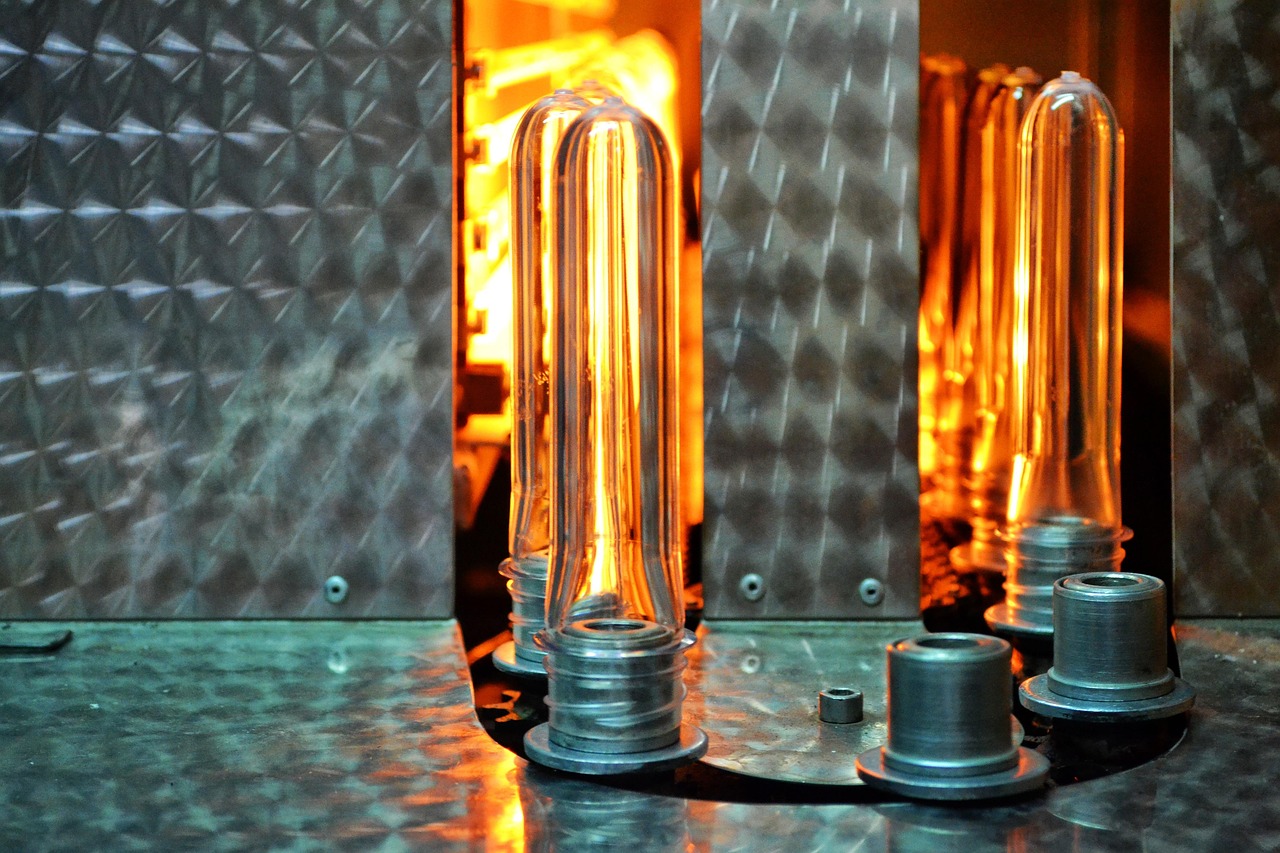
A thermoplastic polymer is a plastic material that softens when heated, can reach a flowable state for processing, and solidifies again when cooled. This reversible behavior is why thermoplastics are used across injection molding, extrusion, thermoforming, machining and additive manufacturing. For engineers and buyers, the practical question is not only what a thermoplastic is, but which material fits the part and the production route.
A sound selection process starts with the service temperature, load, chemical exposure, dimensional tolerance, regulatory requirements, manufacturing process, cost target and end-of-life expectations. Resin family names such as PP, ABS, nylon or PEEK are useful starting points. The final decision, however, should be made at grade level, with test data, supplier processing guidance and application risk in view.
For more material comparison topics, see the polymer selection section.
What makes a polymer thermoplastic
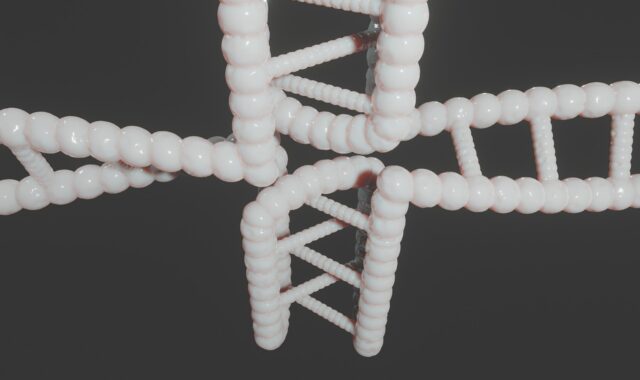
Public technical references such as NIST describe thermoplastics as plastic materials that soften and melt under heat and can reach a flowable state. In practical terms, the polymer chains are not locked into a permanent crosslinked network in the way many thermosets are after curing. This allows a thermoplastic to be heated, shaped and cooled into a finished form.
That reversibility does not mean every thermoplastic can be reheated repeatedly without loss of performance. Repeated heat history can reduce molecular weight, change color, increase brittleness or degrade additives. Moisture-sensitive materials such as polyamide, PET, PBT and polycarbonate may also require drying before processing. The useful principle is that thermoplastics can be processed by heat and pressure; the engineering reality is that each resin has a safe processing window.
Thermoplastics may be amorphous, semi-crystalline or modified with fillers and reinforcements. Amorphous polymers such as ABS, PC and PMMA often provide good dimensional stability and clearer softening behavior around glass transition. Semi-crystalline polymers such as PE, PP, PA, POM, PBT and PEEK contain crystalline regions that affect chemical resistance, fatigue behavior, shrinkage and melting temperature. These structures influence not only datasheet properties, but also warpage, molding cycle time, weld line strength and tolerance control.
Common thermoplastic polymer families and where they fit
Thermoplastic polymer selection usually begins with a short list. Commodity resins are used for cost-efficient, high-volume production. Engineering plastics are selected when parts need better temperature resistance, strength, dimensional stability or wear performance. High-performance polymers are typically reserved for applications where the operating conditions justify their price and processing complexity.
| Polymer family | Typical selection strengths | Key limits to check |
|---|---|---|
| PE and PP | Low density, chemical resistance, fatigue resistance, cost efficiency | Heat resistance, stiffness, creep, surface adhesion |
| PVC | Rigidity or flexibility depending on formulation, chemical resistance, pipe and profile use | Additive package, temperature limit, smoke and regulatory expectations |
| PS, HIPS and ABS | Ease of molding, surface finish, stiffness, impact-modified options | Solvent resistance, heat resistance, outdoor aging unless stabilized |
| PMMA and PC | Optical clarity, appearance, impact options, dimensional stability | Chemical stress cracking, scratch resistance, drying and processing control |
| PA, POM, PBT and PET | Mechanical strength, wear resistance, fatigue performance, engineering part use | Moisture effects, shrinkage, hydrolysis risk, notch sensitivity |
| PPS, PEI, PSU, PEEK and related polymers | High temperature capability, chemical resistance, demanding electrical or mechanical uses | Material cost, processing temperature, tooling wear with reinforced grades |
Resin identification codes used in waste sorting list PET, HDPE, PVC, LDPE, PP, PS and other plastics. These codes are useful for broad recognition, but they are not engineering specifications. A resin code does not define tensile strength, flame rating, food-contact suitability, outdoor life or recyclability in a specific local program.
Start with the real service conditions
The most reliable way to choose a thermoplastic polymer is to describe the operating environment before comparing resin names. Temperature is usually the first filter. A part may survive a short heat spike but fail under long-term load at a lower continuous temperature. Heat deflection temperature, Vicat softening temperature, glass transition, melting point and relative thermal index are not interchangeable, so the relevant measure depends on the likely failure mode.
Load is the second filter. A snap-fit, bearing surface, gear, clip, housing and transparent cover all experience stress in different ways. Tensile strength can help with screening, but flexural modulus, elongation, impact resistance, fatigue data and creep behavior may matter more. ASTM D638 and ISO 527 are widely used for tensile properties of plastics; ASTM D790 is used for flexural properties; ASTM D256 is commonly associated with Izod impact testing. These methods provide comparable test conditions, but molded part performance still depends on geometry, knit lines, orientation, temperature and aging.
Chemical exposure should be written as a list, not reduced to a broad claim such as chemical resistant. Include cleaners, oils, fuels, disinfectants, cosmetic ingredients, saltwater, process fluids and accidental exposures. Polyolefins may handle many aqueous chemicals well but lack stiffness at higher temperature. Polycarbonate can offer excellent toughness but may be vulnerable to stress cracking from certain solvents. Nylon can be strong and wear resistant, but it absorbs moisture, which can alter dimensions and mechanical properties.
Match the polymer to the manufacturing process
A resin that looks strong on a datasheet may still be a poor choice if it does not suit the process. Injection molding favors materials with suitable melt flow, thermal stability, shrinkage control and tool temperature requirements. Extrusion needs melt strength, steady flow and dimensional consistency. Thermoforming often requires sheet behavior that allows uniform heating and forming without excessive sag. Machined plastic parts may prioritize internal stress control, stock shape availability and predictable chip formation.
Processing also affects cost. A high-temperature thermoplastic may require specialized barrels, screws, molds, heaters and drying systems. Glass-filled grades improve stiffness and heat resistance, but they can increase tool wear, reduce surface finish and create anisotropic shrinkage. Flame-retardant grades may meet electrical or transport requirements, but they can narrow the processing window and affect toughness.
Manufacturing constraints should be considered early. Wall thickness, ribs, bosses, gate location, weld line placement, draft angle and cooling strategy can determine whether the chosen polymer performs as expected. Material selection and part design should be treated as one decision, not two separate steps.
Use data carefully and compare at grade level
One common selection mistake is comparing generic resin families instead of actual grades. A 30 percent glass-filled nylon 6 is not interchangeable with an unfilled nylon 66. An impact-modified polypropylene may behave very differently from a mineral-filled polypropylene. A flame-retardant PC/ABS blend is not the same as standard ABS or standard polycarbonate. See also: Buying Guides.
Datasheets should be used as screening tools. They often report values from standardized specimens tested under controlled conditions. Those values may not represent thick sections, thin walls, weld lines, molded-in stress, ultraviolet exposure, low-temperature impact, chemical contact or years of creep. For critical parts, material choice should be confirmed by prototype testing, accelerated aging where appropriate and review of supplier processing recommendations.
A useful comparison table should include more than strength and price. Add density, continuous-use temperature target, dimensional change, water absorption, chemical compatibility, flame rating, outdoor stabilization, color availability, recycled-content options, regulatory declarations, lead time and minimum order constraints. In many projects, the best engineering choice is the material that delivers adequate performance with the fewest manufacturing and supply risks.
Sustainability and recycling considerations
End-of-life requirements are now part of thermoplastic polymer selection, especially for packaging, consumer products and regulated markets. Thermoplastics are often described as recyclable because they can be melted and reshaped, but actual recycling depends on collection systems, sorting, contamination, additives, color, part size, local infrastructure and demand for recycled resin.
PlasticsEurope reported 400.3 million tonnes of global plastics production in 2022 in its Fast Facts 2023 data set, with polypropylene, polyethylene grades, PVC and PET representing large shares of the market. The same source reported packaging as the largest European plastics conversion application in 2022, followed by building and construction. OECD analysis also emphasizes that packaging, construction and transport are major application areas and that polymer demand is tied to broader economic activity. These figures provide market context rather than selection rules, but they help explain why recyclability, lightweighting and material efficiency receive close attention.
When sustainability is a design priority, the questions need to be specific. Can the part be made from a single polymer family? Can labels, coatings, inserts or adhesives be avoided? Is a natural or light color acceptable? Can recycled content be used without compromising safety or mechanical performance? Is the part likely to enter an established recycling stream, or would durability and repairability provide a greater benefit? A thermoplastic polymer is not automatically sustainable; the product system determines the outcome.
A practical thermoplastic polymer selection workflow
- Define the function. State what the part must do, what failure means and whether failure is cosmetic, functional, safety related or regulatory.
- Set thermal limits. Separate short-term peak temperature from long-term service temperature and include load during heat exposure.
- List mechanical requirements. Include stiffness, toughness, impact, fatigue, wear, creep, snap-fit behavior and dimensional tolerance.
- Map the environment. Record chemicals, moisture, ultraviolet exposure, cleaning cycles, sterilization, weathering and electrical conditions.
- Choose the process. Confirm whether the part will be molded, extruded, thermoformed, machined, welded or assembled.
- Screen candidate grades. Compare real supplier grades, not only resin families, and include additives, fillers and certifications.
- Prototype and test. Use part-like geometry and realistic conditions instead of relying only on standardized specimen data.
- Review supply and end-of-life factors. Consider availability, cost stability, recycled-content options, compliance declarations and disposal routes.
This workflow reduces the risk of choosing a resin simply because it is familiar. It also helps teams explain trade-offs when cost, performance and sustainability do not point to the same material.
Frequently asked questions
Is a thermoplastic polymer the same as plastic?
No. Thermoplastic polymers are a major category of plastics, but plastics also include thermosets and elastomeric materials. The defining feature of a thermoplastic is heat-softening behavior that allows melt processing within a usable temperature range.
Are thermoplastics always recyclable?
No. The chemistry may allow remelting, but real recycling depends on collection, sorting, contamination, additives, color, multilayer construction and market demand. A part made from a recyclable polymer may still be difficult to recycle in practice.
Which thermoplastic polymer is strongest?
There is no single strongest choice for all applications. Strength can mean tensile strength, stiffness, impact resistance, fatigue life, creep resistance, heat performance or wear behavior. Reinforced engineering and high-performance polymers can be very strong, but the right answer depends on the load case and environment.
Why do two grades of the same polymer perform differently?
Grades can differ in molecular weight, melt flow, reinforcement, impact modifiers, flame retardants, lubricants, UV stabilizers, colorants and recycled content. These differences can strongly affect processing, toughness, stiffness, shrinkage, chemical resistance and long-term durability.
When should a high-performance thermoplastic be considered?
Consider materials such as PPS, PEI, PSU or PEEK when temperature, chemical exposure, electrical performance, wear or regulatory demands exceed the practical limits of commodity and standard engineering plastics. The higher cost should be justified by a clearly defined performance requirement.