PVC polyvinyl chloride applications from rigid pipes to flexible products
a[data-rs-seo-link]{text-decoration:underline!important;color:#1a56db!important;cursor:pointer!important;}a[data-rs-seo-link]{text-decoration:underline!important;color:#1a56db!important;cursor:pointer!important;}
Overview of PVC polyvinyl chloride in product applications
PVC polyvinyl chloride is a widely used thermoplastic where products need durability, processability, chemical resistance, and a practical cost-performance balance. Its main advantage is the breadth of possible formulations. Unplasticized PVC can be processed into rigid pipes, profiles, panels, and sheet, while plasticized PVC is used for flexible tubing, cable insulation, films, flooring, coated fabrics, and medical components.
That range also means PVC should not be specified as a generic material. A PVC compound may include stabilizers, lubricants, fillers, pigments, impact modifiers, plasticizers, and other additives. For product design, the important question is not only whether PVC is suitable, but which PVC formulation, standard, service environment, and end-of-life route match the application.
For more materials-focused application analysis, visit the Product Applications section.
Why PVC can be rigid, semi-rigid, or flexible
Base PVC resin is naturally rigid at room temperature. Manufacturers make it usable for different products by compounding the resin with additives that control heat stability, melt flow, impact strength, surface finish, weatherability, color, flexibility, and cost. This is why PVC can appear in very different forms, from a hard window profile to a soft medical tube.
Rigid PVC for dimensional stability
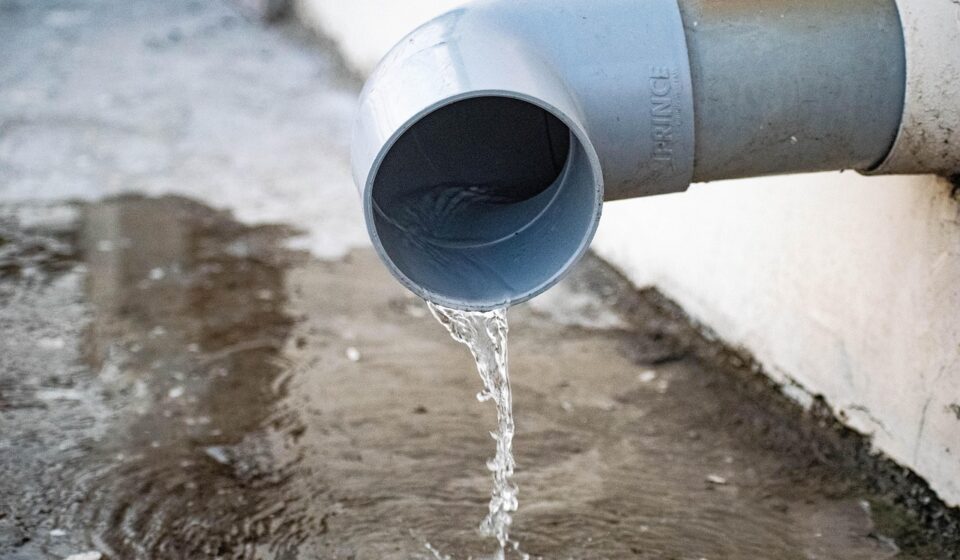
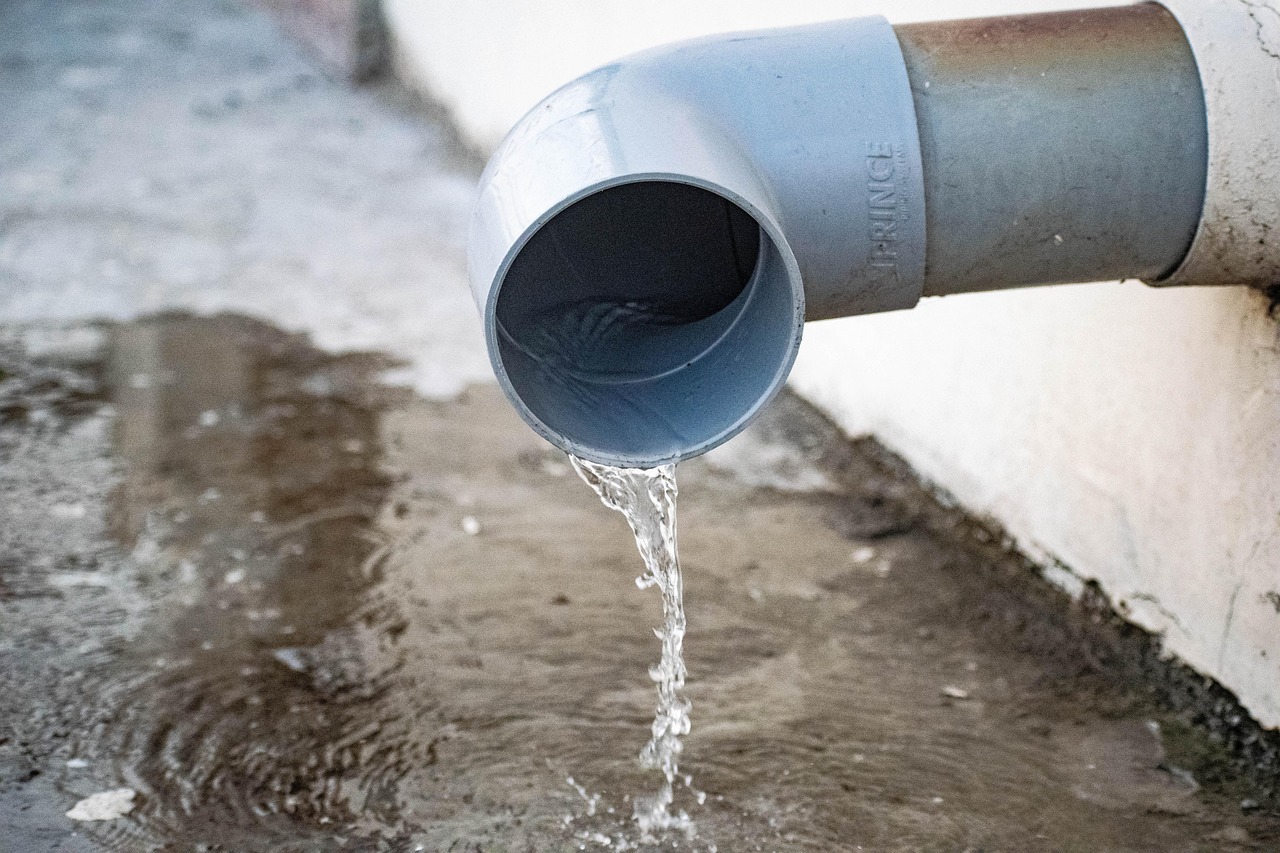
Rigid PVC, often described as uPVC or PVC-U in many markets, contains no intentional plasticizer. It is commonly used where the finished product must hold its shape, resist corrosion, and maintain mechanical properties over long service periods. Pipes, fittings, conduit, siding, window profiles, doors, sheet, and wall panels are typical examples. In construction, rigid PVC is often selected because it does not rust, can be extruded into consistent profiles, and can be joined by mechanical fittings, gaskets, or solvent cement, depending on the system.
Flexible PVC for softness and bend performance
Flexible PVC contains plasticizers that increase softness, elongation, and bend performance. The plasticizer choice affects flexibility, low-temperature behavior, migration risk, clarity, regulatory acceptability, and long-term aging. Flexible PVC is used in wire and cable insulation, hoses, flooring, wall coverings, coated textiles, inflatable products, tubing, blood bags, seals, gaskets, and packaging films. Because plasticizers are central to performance, flexible PVC should be specified in more detail than simply calling it PVC.
Semi-rigid and specialty formulations
Between rigid and flexible grades are semi-rigid compounds for products that need some toughness or forming ability without becoming soft. Specialty formulations may use UV stabilizers for outdoor exposure, flame-retardant systems for electrical applications, antimicrobial additives for selected healthcare surfaces, or processing aids for calendering, extrusion, injection molding, and coating. The benefit is design flexibility. The risk is that two PVC products can have very different properties even when both are described by the same generic material name.
Key PVC application areas by product type
PVC applications are easier to evaluate by service requirement than by industry label. A pipe, cable jacket, floor, and blister package all use PVC for different reasons. The table below summarizes common use cases and the main specification factors designers normally check.
| Application area | Common PVC form | Why PVC is used | Important specification checks |
|---|---|---|---|
| Pipes and fittings | Rigid PVC, PVC-U, sometimes CPVC for higher-temperature systems | Corrosion resistance, pressure or drainage performance, smooth internal surface, established standards | Pressure rating, pipe dimension ratio, temperature limit, chemical compatibility, potable-water certification where required |
| Windows, doors, and profiles | Rigid PVC profiles | Weatherability, dimensional consistency, insulation performance, low maintenance | Impact resistance, UV stability, color stability, thermal expansion, building-code requirements |
| Wire and cable | Flexible or semi-rigid PVC compounds | Electrical insulation, jacket toughness, flexibility, flame performance in specified systems | Voltage class, flame and smoke requirements, plasticizer system, low-temperature flexibility, regional electrical standards |
| Flooring and wall coverings | Flexible PVC, multi-layer vinyl systems | Wear resistance, cleanability, design flexibility, resilience under foot traffic | Indoor air requirements, wear layer, slip resistance, plasticizer type, recycling or take-back options |
| Medical tubing and bags | Flexible medical-grade PVC | Clarity, flexibility, kink resistance, heat-sealing, long history of use | Biocompatibility, sterilization method, extractables and leachables, DEHP or non-DEHP plasticizer choice, drug compatibility |
| Packaging and films | Rigid sheet, flexible film, shrink film | Clarity, forming performance, sealability, barrier needs in certain formats | Food-contact compliance, migration limits, recyclability in the target market, alternative-material comparison |
Construction remains the largest visible use case
Building and infrastructure are the most visible PVC markets because many products remain in service for many years. European industry sources report that around 70% of PVC in Europe is used in building and construction, including pipes, windows, cables, flooring, roofing, cladding, and related products. This figure should not be applied automatically to every region, but it shows why construction dominates many PVC discussions.
PVC pressure pipe is a good example of an application where standards matter more than broad material claims. ASTM D2241, for example, covers pressure-rated PVC pipe for water using standard dimension ratios and includes requirements related to dimensions, sustained pressure, burst pressure, flattening, impact resistance, and extrusion quality. In practice, a pipe buyer should not specify only PVC. The relevant standard, pressure class, jointing method, temperature range, chemical exposure, and local code acceptance all determine whether the product is appropriate.
Window and profile applications show a different set of priorities. The key issues are not pressure performance but UV exposure, color stability, weldability, impact strength, thermal movement, and surface appearance. Rigid profile compounds often include stabilizers, impact modifiers, pigments, lubricants, and fillers. For exterior products, weathering data and regional building requirements should be checked before assuming that a compound used in one climate will perform the same way in another.
Specification factors that decide whether PVC is suitable
Material selection should begin with service conditions. PVC is often attractive because it processes well and can be cost-effective, but suitability depends on the full system. Temperature is one of the first checks. Standard rigid PVC is normally associated with cold and moderate-temperature applications; higher heat environments may require CPVC, another polymer, or a non-plastic material. Low-temperature impact behavior should also be tested for outdoor or refrigerated service.
Chemical compatibility is another critical factor. PVC resists many aqueous solutions, acids, alkalis, and salts, which helps explain its use in piping and industrial products. Compatibility is not universal, however. Solvents, oils, fuels, plasticizer-sensitive fluids, and concentrated chemicals can cause swelling, stress cracking, extraction, or softening depending on the compound. For any application involving fluid contact, designers should confirm compatibility with the actual chemical, concentration, temperature, exposure time, and stress level.
Additive selection can be just as important as polymer selection. Stabilizers protect PVC during melt processing and service. Lubricants support extrusion and molding. Impact modifiers improve toughness. Fillers can adjust stiffness, density, and cost. Plasticizers make PVC flexible, but they also require closer evaluation for migration, regulatory status, and contact conditions. This is especially important in food-contact, child-contact, medical, and high-purity applications.
The processing method also influences the correct grade. PVC can be extruded into pipe and profiles, calendered into sheet and film, coated onto fabrics, injection molded into fittings, and compounded into plastisols for coatings or dipping. Each process places different demands on resin molecular weight, fusion behavior, melt stability, viscosity, filler level, and lubrication balance. A compound optimized for extrusion may not be suitable for injection molding without reformulation.
Regulatory and health considerations are application specific
PVC is regulated through the product category in which it is used. A building profile, potable-water pipe, food-contact film, toy, cable jacket, and medical tube face different rules. Broad claims such as food-safe PVC or medical-grade PVC are therefore incomplete unless they are tied to a defined regulation, standard, test method, and use condition. See also: Buying Guides.
Plasticizers receive particular attention. The U.S. Food and Drug Administration has explained that ortho-phthalates are used in plastic products, most commonly PVC or vinyl, to make materials soft and less brittle, and the agency has analyzed PVC and non-PVC food-contact articles for phthalate presence. In medical use, published clinical and materials research notes that plasticized PVC tubing is widely used for infusion but can create content-container interactions, including drug sorption and plasticizer release. These points do not mean all flexible PVC is unsuitable. They mean the plasticizer system, contact medium, patient population, exposure time, and regulatory market must be evaluated.
In Europe, REACH and medical-device rules have accelerated shifts away from certain legacy plasticizers in sensitive applications. Publicly available medical literature has discussed a July 1, 2030 deadline affecting DEHP exemptions for medical devices in the EU and United Kingdom. For global product planning, this timing matters because material qualifications, sterilization validation, supply-chain changes, and customer approvals can take years.
Sustainability and recycling considerations
PVC sustainability depends heavily on product life, formulation, collection, sorting, and recycling route. Long-life products such as pipes and window profiles can keep material in service for decades. That long use phase is valuable, but it also means recycling systems may encounter older products containing legacy additives that are no longer used in new formulations.
Mechanical recycling is established for several PVC streams, especially cleaner construction-related waste. VinylPlus, the European PVC industry sustainability program, reported in its 2026 progress update that 765,972 tonnes of PVC waste were recycled within its framework during 2025, a 5.7% increase compared with 2024. ECVM also reports that 10.3 million tonnes of PVC waste have been recycled within the VinylPlus framework since 2000. These figures should be read as program-specific European data, not as global PVC recycling totals.
The main recycling challenge is not that PVC cannot be recycled. It is that PVC products differ widely. Rigid profiles, flexible flooring, cable jackets, coated fabrics, medical products, and packaging can contain different additives and contamination risks. Mixed streams may need sorting, decontamination, removal of non-PVC components, or application restrictions for recyclate. Designers can improve circularity by choosing simpler formulations where possible, avoiding unnecessary material combinations, marking products clearly, and planning collection routes before launch.
When PVC may not be the right material
PVC is versatile, but it is not the default answer for every plastic application. It may be a poor fit for high-temperature service beyond the compound rating, applications requiring extremely low smoke and halogen-free performance, aggressive solvent contact, some high-purity fluid systems, or lightweight packaging streams where local recycling infrastructure strongly favors PET, PE, or PP.
Medical and food-contact applications require particular caution. If the product contacts drugs, blood, fatty foods, infant products, or sensitive users, the evaluation must include migration, extractables, leachables, sterilization effects, and jurisdiction-specific restrictions. In some cases, a non-PVC material may reduce regulatory complexity. In others, a well-qualified PVC formulation may still be the practical choice because it provides the required flexibility, clarity, sealing, or clinical performance.
The most defensible approach is comparative. Define the function first, then compare PVC against alternatives such as PE, PP, PET, ABS, TPU, TPE, silicone, CPVC, or fluoropolymers. The comparison should include performance, manufacturability, standards, compliance, cost, availability, maintenance, and end-of-life options. PVC performs best when its formulation flexibility solves a real application problem, not when it is selected only by habit.
Frequently asked questions
Is PVC the same as polyvinyl chloride?
Yes. PVC is the common abbreviation for polyvinyl chloride. In product specifications, however, PVC should be followed by the grade, formulation type, standard, and application requirement because rigid and flexible PVC compounds can behave very differently.
What is the difference between rigid PVC and flexible PVC?
Rigid PVC contains no intentional plasticizer and is used for products such as pipes, profiles, fittings, and sheet. Flexible PVC uses plasticizers to create softness and bend performance, making it suitable for tubing, cable insulation, flooring, films, and coated fabrics.
Can PVC be recycled?
Yes, many PVC products can be mechanically recycled, especially clean and sorted construction streams. Recycling becomes more difficult when products contain mixed materials, contamination, legacy additives, or complex flexible formulations. Product design and collection systems strongly influence recyclability.
Is PVC suitable for medical or food-contact products?
It can be, but only when the specific compound meets the relevant regulatory and testing requirements for the intended use. Medical and food-contact PVC should be evaluated for plasticizer type, migration, extractables, leachables, sterilization, contact medium, exposure time, and regional rules.
Why is PVC still widely used despite sustainability debates?
PVC remains widely used because it offers long service life, corrosion resistance, formulation flexibility, and efficient processing in many applications. At the same time, additive selection, legacy substances, end-of-life handling, and regulatory expectations require careful specification rather than generic material selection.