Corrugated plastic for packaging, signage and surface protection

a[data-rs-seo-link]{text-decoration:underline!important;color:#1a56db!important;cursor:pointer!important;}a[data-rs-seo-link]{text-decoration:underline!important;color:#1a56db!important;cursor:pointer!important;}
What corrugated plastic is
Corrugated plastic is a fluted plastic sheet, most often made from polypropylene. It has two flat outer skins connected by internal ribs, giving the sheet useful stiffness without the weight of a solid plastic panel. For buyers, fabricators and designers, it is a practical option when packaging, signage, dividers, temporary protection or handling aids need to be clean, moisture-resistant and reusable.
It is not a direct replacement for cardboard, acrylic, PVC or solid polypropylene in every situation. Performance depends on flute direction, thickness, surface treatment, additives, load conditions, printing requirements and end-of-life handling.
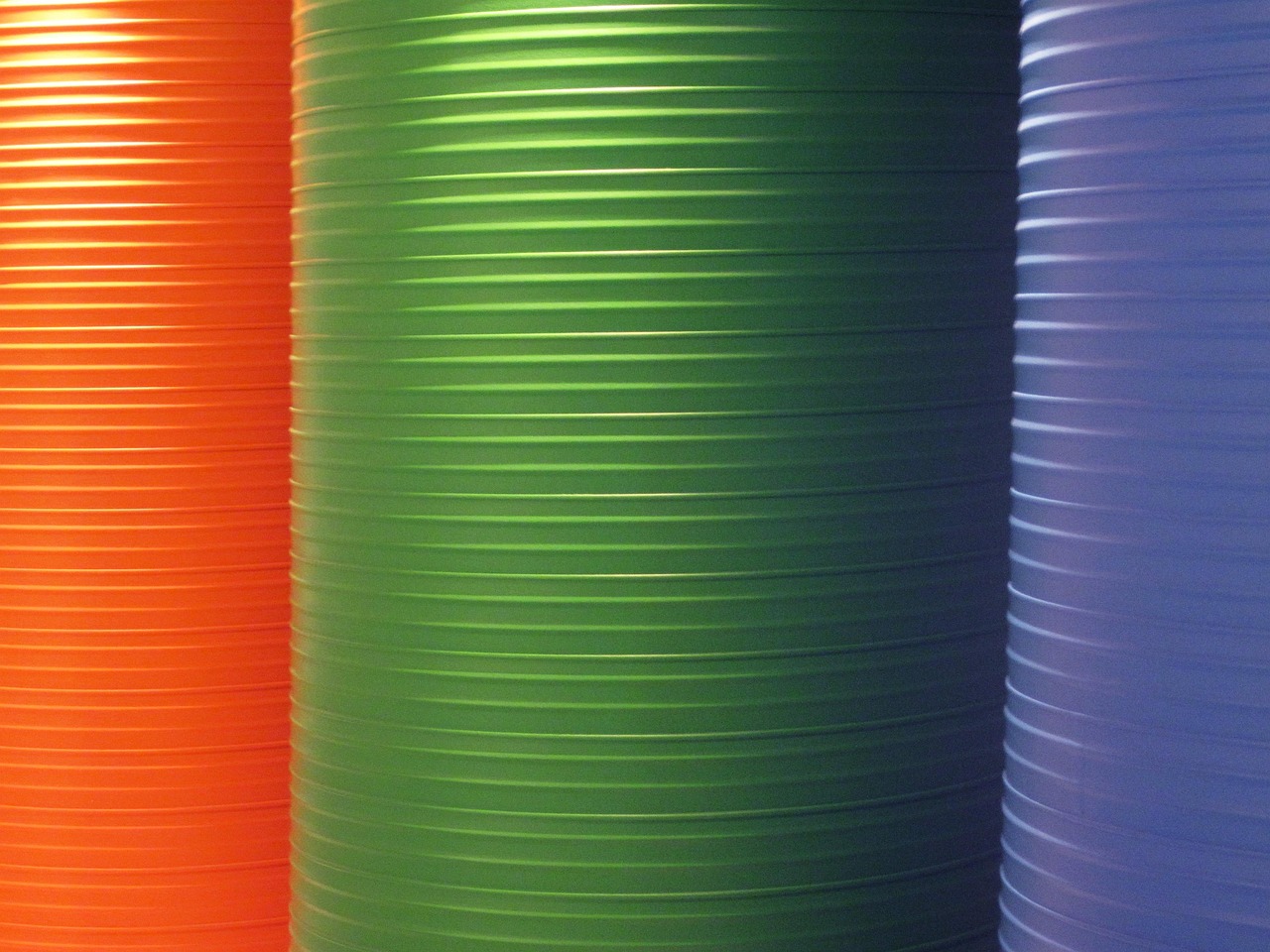
The material is also sold under market names such as fluted polypropylene, twin-wall PP sheet, corrugated PP board and coroplast-style sheet. These names are often used loosely, but they usually refer to the same basic construction: a hollow-core plastic sheet made by extrusion, then cut, scored, printed, welded or converted into finished products.
For more material-focused articles in this area, see the Plastic Processing section.
How the sheet is made and processed
Most corrugated plastic sheet starts with polypropylene resin, although polyethylene and other polymers may be used for specific applications. In a typical extrusion process, pellets are melted, filtered and pushed through a die that forms the outer skins and fluted core. The sheet is then cooled, pulled, trimmed and either wound or cut into panels, depending on the grade and thickness. The finished sheet has ribs running in one direction.
Processing choices determine whether the sheet is suitable for printing, folding, welding or outdoor use. A general-purpose sheet may be enough for short-life signs or surface protection. More demanding applications may require a UV-stabilized grade, antistatic formulation, higher impact copolymer, flame-retardant grade or post-consumer recycled content. These requirements should be specified clearly because additives can affect stiffness, color, print adhesion, welding behavior and recyclability.
After extrusion, common converting steps include die cutting, knife cutting, CNC routing, creasing, scoring, folding, stitching, riveting, hot-air welding, ultrasonic welding and screen or digital printing. Corona treatment is often used when the surface needs better ink or adhesive wetting. The treatment is useful, but it is not permanent under all storage conditions, so printers normally verify surface energy before production.
Key properties that matter in real applications
The performance of corrugated plastic is not defined by one number. It comes from the relationship between sheet thickness, basis weight, flute geometry and loading direction. A 4 mm sheet and a 10 mm sheet may both be called corrugated plastic, but they will behave differently when stacked, bent, printed or used as a returnable divider.
| Specification point | Why it matters | Typical decision question |
|---|---|---|
| Thickness | Influences stiffness, impact response, edge crush and perceived quality. | Is the sheet for a temporary sign, a divider, a box or a layer pad? |
| Basis weight | Shows how much polymer is in each square area and affects cost and strength. | Is a lighter sheet enough, or will it buckle under use? |
| Flute direction | Controls bending strength and fold behavior. | Should ribs run vertically, horizontally or along a fold line? |
| Surface treatment | Affects ink, label and adhesive performance. | Will the sheet be digitally printed, screen printed or left plain? |
| UV package | Helps resist sunlight-related degradation. | Is the product used indoors, outdoors briefly or outdoors for months? |
| Static control | Important for electronics, dust-sensitive and clean handling environments. | Does the application require antistatic or conductive behavior? |
| End-of-life route | Determines whether recovery is practical. | Will sheets return in a closed loop, or enter mixed local waste streams? |
Designers should also confirm tolerances. Corrugated plastic can vary in caliper, flatness and edge quality depending on production settings and converting methods. Those variations may be acceptable for temporary floor protection but less acceptable for automated packaging, precision displays or reusable handling systems.
Where corrugated plastic performs well
Corrugated plastic performs best in applications that benefit from moisture resistance, low weight, clean surfaces and repeated handling. In packaging, it is used for reusable totes, returnable boxes, layer pads, partitions, sleeve packs and dunnage. Compared with paper-based corrugated board, it does not absorb water in the same way, which makes it useful in refrigerated, damp, agricultural or wash-down environments.
In signage, corrugated plastic is widely used for temporary outdoor signs, event boards, point-of-purchase displays and directional signage. Its low weight makes installation easier, and its sheet format supports printing and die cutting. The limitation is that standard grades should not be treated like rigid engineering panels. Wind load, heat, sunlight and fastening points still need to be considered.
In construction and surface protection, the material is used to cover floors, walls, glass, counters and finished surfaces during work. It is cleaner and more water-resistant than many paper products, while being easier to cut and move than heavier rigid boards. Before large-scale use, it should be checked against the actual surface, traffic level and cleaning chemicals involved.
Agricultural, logistics and industrial users also use corrugated plastic for tree guards, pallet liners, slip sheets, bin liners and reusable labels. In these applications, the useful measure is often cost per use rather than purchase price alone. A sheet that survives many cycles may be more economical than a cheaper single-use alternative, provided collection and reuse are organized.
How it compares with cardboard, foam board and solid plastic
Corrugated plastic is often compared with corrugated fiberboard because both materials have a ribbed structure. The main difference is material behavior. Paperboard is usually easier to recycle through established fiber streams, accepts printing well and is cost-effective for dry, single-use packaging. Corrugated plastic is stronger in wet conditions, resists many chemicals better and can be cleaned for repeated use. The right choice depends on logistics, contamination risk, return systems and disposal options.
Compared with foam board, corrugated plastic is tougher at the surface and less likely to dent permanently during handling. Foam board may provide a smoother presentation surface for some displays, but it is usually less suitable for repeated industrial handling. For signs that must be light, temporary and economical, both materials are common. For packaging and protective layers, corrugated plastic often has the advantage.
Compared with solid polypropylene sheet, corrugated plastic is lighter and usually less expensive for broad panels. Solid sheet is better when the design needs continuous material through the thickness, heavy machining, high rigidity in all directions or a smooth solid edge. The hollow structure that makes corrugated plastic efficient also creates limits: edges can trap debris, ribs can telegraph through print, and crush resistance depends on rib orientation. See also: Buying Guides.
Recycling, resin codes and compliance limits
Many corrugated plastic sheets are polypropylene and may carry the resin identification code 5. ASTM D7611/D7611M is the commonly referenced standard practice for resin identification coding in manufactured plastic articles, and it identifies polypropylene as PP under code 5. That code helps identify the resin family, but it should not be treated as a guaranteed recycling claim.
EPA recycling guidance in the United States emphasizes that local programs do not accept every plastic type or product format. This matters for corrugated plastic because a clean, single-resin sheet collected in an industrial closed loop is very different from a printed, dirty or mixed-material sign entering a municipal stream. In practical terms, recyclability depends on resin, color, labels, inks, contamination, collection volume and local recycler capability.
Compliance claims also need care. If the sheet is used near electrical devices or where fire performance matters, a generic plastic description is not enough. UL 94 is a small-scale flammability test standard for plastic materials used in devices and appliances; a material rating under that type of test does not automatically prove full product safety in a building or transport application. Food-contact, medical, cleanroom, antistatic and flame-retardant uses all require application-specific verification.
A responsible specification should separate three statements: what the material is, what it has been tested for and how it will be recovered after use. Combining those points into one broad claim can mislead buyers and create compliance risk.
Specification checklist for buyers and fabricators
Before selecting corrugated plastic, define the job it must perform. A short-life sign, a reusable automotive divider and a temporary floor cover may all use the same material family, but they need different specifications.
- Define the use cycle. State whether the sheet is single-use, short-term reusable or part of a controlled return loop.
- Confirm the environment. Consider water, oils, detergents, sunlight, cold storage, heat and abrasion.
- Match flute direction to the load. Poor rib orientation can make a suitable sheet fail early.
- Specify thickness and weight together. Thickness alone does not describe strength if sheet density or flute geometry changes.
- Test printing and adhesion. Treated surfaces, inks, tapes and labels should be checked before production.
- Plan edges and folds. Exposed flutes, sharp corners and tight folds can affect durability and cleaning.
- Verify claims. Recycled content, recyclability, antistatic behavior, flame performance and food-contact suitability should be supported by documentation.
It is also useful to prototype with the actual converted shape, not only a flat sheet sample. Creases, fasteners, welds and corners often determine performance more than the base sheet itself.
When corrugated plastic is not the right choice
Corrugated plastic should be avoided or carefully tested when the application requires long-term structural stiffness, continuous high-temperature exposure, premium optical clarity, high-gloss retail appearance, fine machining tolerances or certified fire performance. It may also be a poor choice when there is no practical recovery route and a paper-based option can do the job with an established recycling stream.
The material is most effective when its hollow structure is treated as a design feature, not a shortcut. If the design uses its low weight, moisture resistance and reusability, corrugated plastic can perform well. If the design ignores flute direction, fastening stress, sunlight exposure or end-of-life handling, the same sheet can disappoint.
Frequently asked questions
Is corrugated plastic waterproof?
The plastic itself does not absorb water like paperboard, and polypropylene sheets are commonly described as water-resistant or waterproof in ordinary handling. However, cut edges, flutes, printed surfaces and assembled parts can still collect water or dirt, so cleaning and drainage should be considered.
Is corrugated plastic recyclable?
Many sheets are made from polypropylene, which is identified by resin code 5. Whether a specific sheet is recyclable depends on local acceptance, contamination, inks, labels, additives and collection method. Closed-loop industrial recovery is usually easier to manage than curbside disposal.
How long does corrugated plastic last outdoors?
Outdoor life depends on UV stabilization, color, climate, thickness, fastening method and mechanical stress. Untreated general-purpose sheet should not be assumed to provide long outdoor service. For outdoor signs or guards, specify a UV-stabilized grade and test under expected conditions.
Can corrugated plastic be printed?
Yes. It is commonly screen printed and digitally printed, especially for signs and displays. Good results depend on surface treatment, ink selection, storage conditions and printer settings. Print testing is recommended before a large run.
What thickness is common for corrugated plastic?
Common sheet thicknesses vary by market and application, with thin sheets used for lightweight signs and thicker sheets used for reusable packaging, layer pads and protection. Thickness should be specified together with weight, flute direction and performance requirements.